
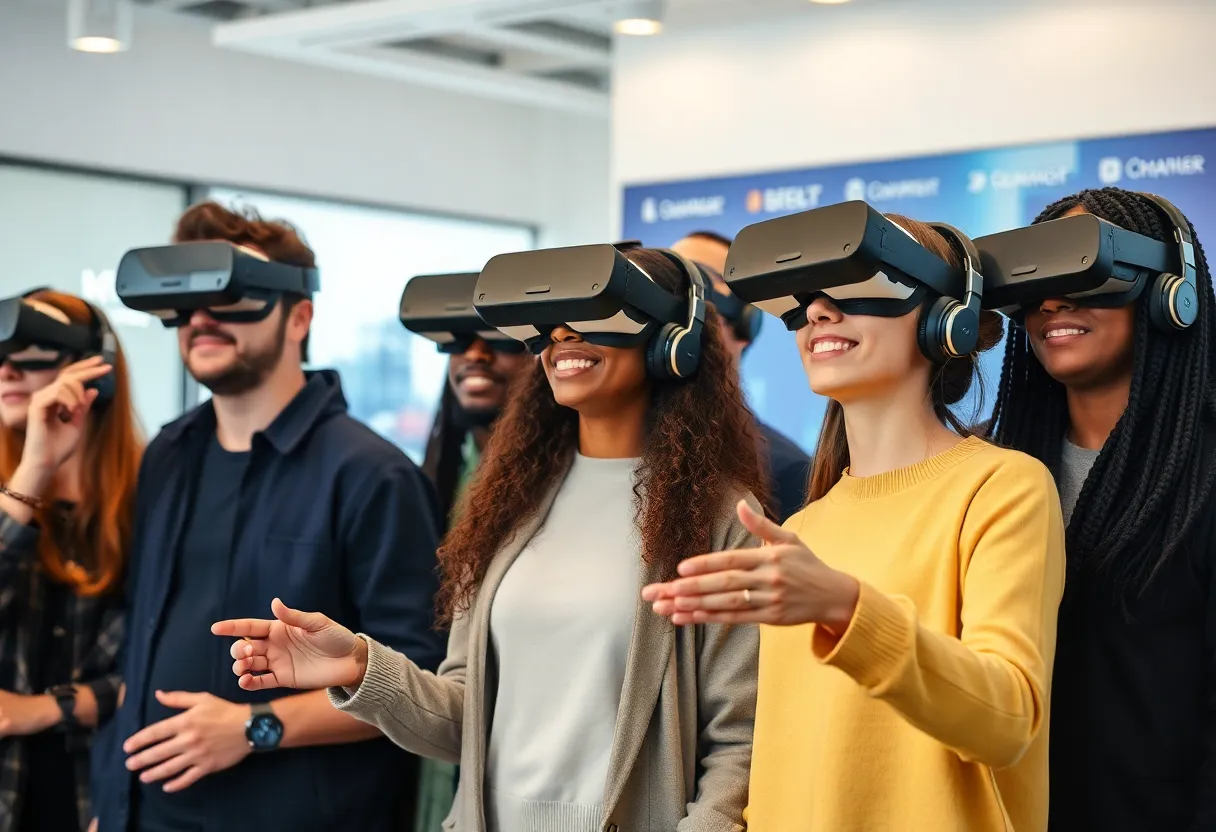
How Can You Use Virtual Reality to Engage Your Audience in Digital Marketing?
Virtual Reality (VR) has transformed the way brands engage their audiences. By immersing consumers in entirely new environments, VR creates unique experiences that traditional marketing strategies struggle to replicate. Here, we will explore various strategies integrating VR into digital marketing, demonstrating how it can captivate audiences, increase brand awareness, and foster customer loyalty.
The Power of Immersion
VR technology engages users by immersing them in captivating virtual environments. This level of engagement is unmatched by standard media. By tapping into the sensory experiences provided by VR, brands can create compelling narratives. As a result, audiences tend to remember messages better when transmitted through VR, which is essential for effective marketing.
Creating Engaging Experiences
With VR, brands can invite users to interact with their products in a simulated space. For example, a furniture store could let customers design a room using its products. This not only showcases inventory but also engages customers in a meaningful way. They can experiment with different arrangements, enhancing their attachment to the brand.
Virtual Tours
Real estate companies and travel agencies are leveraging VR to offer virtual tours. Prospective homebuyers can explore properties without physically visiting them. Similarly, travel companies can showcase destinations, making it easier for customers to visualize their trip. This immersive experience often leads to higher conversion rates.
Personalization Through Virtual Reality
VR enables brands to personalize experiences significantly. By analyzing user behavior, businesses can create tailored content that resonates with specific customer segments. Personalization transforms an ordinary marketing strategy into an extraordinary customer experience.
Customizable Content
Brands can develop customizable VR scenarios where users can select their preferences. For instance, in the automotive industry, potential buyers can adjust features of a vehicle, such as color or interior options, in a virtual environment. This type of interactivity increases engagement and makes consumers more likely to consider the actual purchase.
Data-Driven Insights
Moreover, the data collected from these VR interactions provide valuable insights into customer preferences. Knowing which features users engage with the most allows companies to tailor their offerings more effectively, enhancing customer satisfaction and boosting sales.
Building Brand Awareness
VR experiences can significantly increase brand awareness. When integrated cleverly, they can create buzz and interest in various industries, from entertainment to consumer goods.
Experiential Marketing Campaigns
Companies can create engaging campaigns that leverage VR to capture audience attention. For example, a soft drink brand could set up a virtual carnival, where users partake in various games and activities. By sharing their experiences on social media, they organically widen the marketing reach. These initiatives can lead to increased engagement and new followers.
Collaborative VR Events
Hosting immersive VR events can also enhance brand visibility. Brands can invite customers to exclusive events where they can interact and experience products. For instance, fashion brands could host virtual runway shows, allowing users worldwide to join in. Such initiatives promote inclusivity, fostering a sense of community among brands and audiences.
Enhancing Customer Loyalty
VR can also help nurture customer loyalty. By providing unique experiences, brands cultivate relationships with their audience, translating into long-term loyalty.
Customer Support Simulations
Using VR for customer service can enhance user satisfaction. Brands can develop virtual support solutions that allow users to troubleshoot issues effectively. For instance, a technology company could offer VR tutorials that guide users through product features. This proactive approach demonstrates commitment to customer service, ultimately fostering brand loyalty.
Rewards Programs and Gamification
Integrating rewards programs with VR can lead to improved customer retention. Brands can offer virtual rewards that align with customers’ interactions in a VR environment. For example, loyalty points can be used for exclusive access to VR experiences or contents. This gamification approach adds an element of fun, encouraging regular engagement.
Challenges and Considerations
While the advantages of VR in digital marketing are significant, challenges exist. The technology can be costly to implement, and users may face barriers to accessing it, such as the need for specialized hardware. It’s essential for brands to carefully consider the value of VR experiences against these investments.
Investment vs. Return
Firms must assess the cost of VR development relative to expected returns. Conducting thorough market research and ensuring readiness to integrate VR technology can enhance the overall effectiveness of marketing strategies. Only brands with clear objectives and substantial investments should proceed.
Accessibility and Inclusivity
Brands should also account for hardware accessibility. While VR is becoming more mainstream, not all customers have access to the technology required to participate in VR experiences. As a result, companies must adopt a multifaceted approach, providing alternatives for users without VR capabilities. This ensures that all potential customers can access the brand experience.
The Future of VR in Digital Marketing
The future looks promising for VR in digital marketing. As the technology matures, brands will likely discover innovative ways to engage their audiences through virtual experiences.
Advancements in VR Technology
As VR technology improves, it will become more affordable for marketers. The increasing availability of mobile VR applications and shared VR experiences will enable wider participation. This evolution will empower brands to use VR as a routine aspect of their marketing strategy, expanding audience engagement significantly.
Integration with Other Technologies
Furthermore, the combination of VR with other emerging technologies, such as Augmented Reality (AR) and artificial intelligence, can create even richer experiences. For example, AR can complement VR by providing real-world overlays that inform users about products, bridging the gap between digital and physical shopping.
Conclusion
Virtual reality is revolutionizing digital marketing by offering immersive, engaging experiences that capture audience attention. When brands effectively employ VR, they can create personalized experiences, enhance brand awareness, and foster loyalty. However, companies must navigate the challenges of technology investment and accessibility. As VR continues to evolve, its integration into marketing strategies will shape the future of audience engagement.

Author: STAFF HERE ROCK HILL
The ROCK HILL STAFF WRITER represents the experienced team at HERERockHill.com, your go-to source for actionable local news and information in Rock Hill, York County, and beyond. Specializing in "news you can use," we cover essential topics like product reviews for personal and business needs, local business directories, politics, real estate trends, neighborhood insights, and state news affecting the area—with deep expertise drawn from years of dedicated reporting and strong community input, including local press releases and business updates. We deliver top reporting on high-value events such as the Come-See-Me Festival, Rock Hill Arts Festival, and motorsport events at the Rock Hill Velodrome. Our coverage extends to key organizations like the Rock Hill Chamber of Commerce and the Culture & Heritage Museums, plus leading businesses in manufacturing and technology that power the local economy such as 3D Systems and Comporium. As part of the broader HERE network, including HEREAiken.com, HEREBeaufort.com, HEREChapin.com, HERECharleston.com, HEREClinton.com, HEREColumbia.com, HEREGeorgetown.com, HEREGreenwood.com, HEREGreenville.com, HEREHiltonHead.com, HEREIrmo.com, HEREMyrtleBeach.com, HERENewberry.com, HERERockHill.com, and HERESpartanburg.com, we provide comprehensive, credible insights into South Carolina's dynamic landscape.