How to Safely Navigate Working on a Sloped Roof: Essential Tips for Homeowners
Understanding the Risks of Working on a Sloped Roof
- Sloped roofs can be unpredictable and dangerous due to their incline.
- Improper safety measures can lead to accidents and injuries.
- Understanding the risks is important before undertaking any work.
Preparation Before You Start
Inspect the Roof
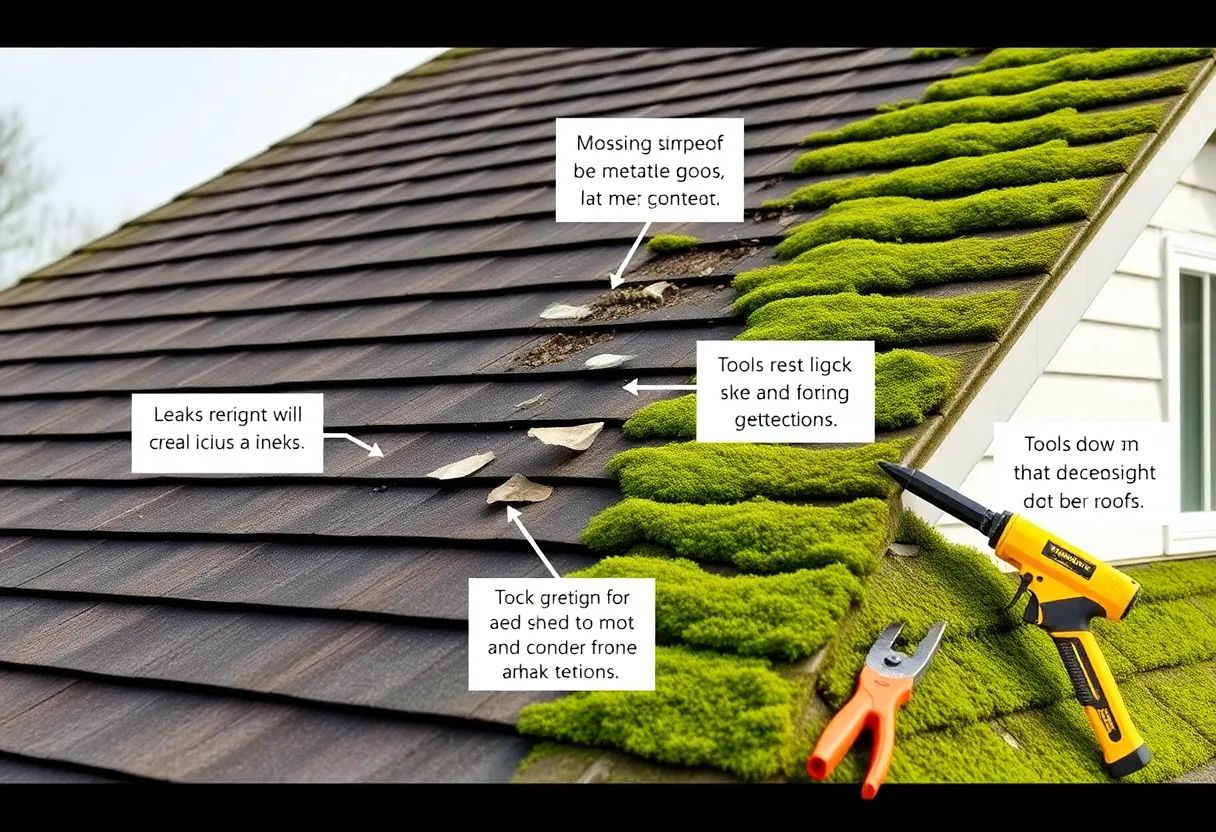
Before stepping onto a sloped roof, inspect its condition. Look for loose shingles, rotting wood, or any unexplained wear. If the roof is compromised, it may not be safe to work on it. Prioritize structural integrity.
Gather the Right Equipment
Having the appropriate tools and safety equipment is essential. These may include:
- Safety harness: A must-have for anyone working on a sloped roof.
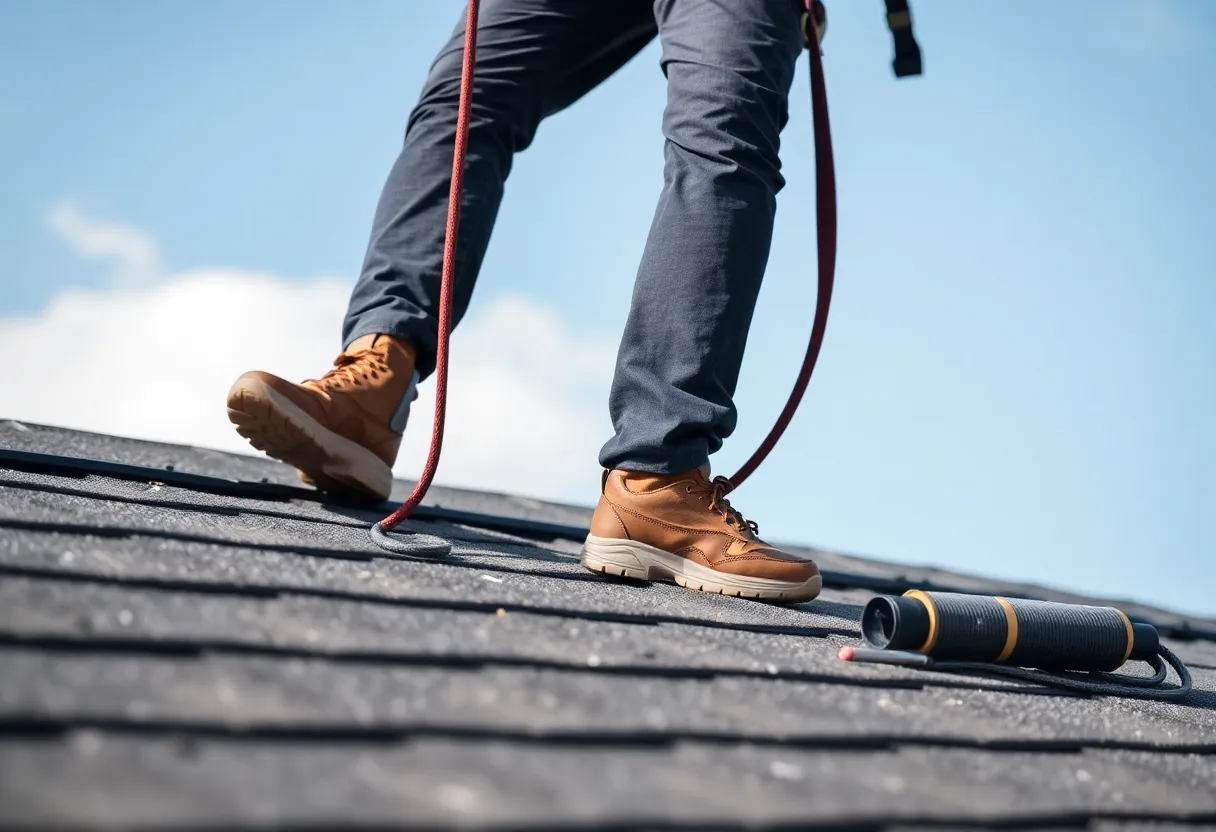
- Roofing shoes: Soft-soled shoes help maintain grip.
- Ladder: Ensure that it is stable and rated for the weight it will carry.
- Tool belt: Helps keep tools secure and easily accessible.
Check Weather Conditions
Never work on a sloped roof during inclement weather. Rain, snow, or high winds can significantly increase the risk of slipping. Ideally, select a day when conditions are mild and clear.
Safety Practices While on the Roof
Secure Your Ladder
Before ascending the roof, ensure the ladder is stable. Position it at a 75-degree angle, and secure it at the base. Use ladder stabilizers if necessary. Always have someone on the ground to help steady it.
Wear a Safety Harness
Always wear a safety harness connected to a secure anchor point. This could be a roof ridge, rafter, or another sturdy structure. A harness can save lives by preventing falls.
Maintain Three Points of Contact
Always keep three points of contact with the roof or ladder. This means having two feet and one hand, or two hands and one foot, in contact at all times to maintain balance.
Keep Work Area Clear
Always keep the work area free of debris and tools. A cluttered surface increases the risk of tripping. Ensure tools are stored safely when not in use.
Best Techniques for Working on a Sloped Roof
Start from the Bottom
For shingle repairs or replacements, work from the bottom of the roof upwards. This helps prevent moisture accumulation and ensures that shingles overlap properly.
Use Clear Communication
If working with others, communicate clearly. Establish hand signals or verbal commands to ensure everyone is aware of movements and potential hazards.
Limit Movement
Try to limit your movement on the roof. Plan your work beforehand and avoid unnecessary trips. When you need to move, do so carefully, maintaining three points of contact.
Take Breaks
Working on a sloped roof can be physically demanding. Take regular breaks to rest and hydrate. Avoid fatigue, as tiredness can lead to poor decision-making and increased risk of accidents.
Post-Work Safety Checks
Conduct a Thorough Inspection
After completing your work, inspect the roof for any leftover tools or materials. Make sure all parts of the roof are secure and in good condition.
Carefully Descend
When it’s time to come down, do so slowly and carefully. Maintain three points of contact as you descend the ladder.
Review Personal Safety Equipment
After completing the job, inspect your safety equipment for any signs of wear or damage. Ensuring that all gear is in good condition can help prevent future accidents.
Knowing When to Hire Professionals
Assess Your Skill Level
Identify your own skill level and comfort on a roof. If you feel uncertain, consider hiring a professional. Professionals have the training and experience to handle complexities safely.
Evaluate the Job Complexity
If the job involves significant repairs or replacements, it may be wise to seek help. Professional roofers are equipped to manage risks associated with steep inclines and extensive work.
Consider Health and Safety Regulations
Professional roofers understand local regulations regarding safety and construction. Hiring a professional ensures compliance with laws and regulations, adding another layer of security.
Conclusion
Working on a sloped roof requires careful planning and adherence to safety measures. By taking the time to prepare, ensure proper safety practices, and recognize your limitations, you can navigate the risks effectively. Remember, when in doubt, it is best to hire a professional.

Author: STAFF HERE ROCK HILL
The ROCK HILL STAFF WRITER represents the experienced team at HERERockHill.com, your go-to source for actionable local news and information in Rock Hill, York County, and beyond. Specializing in "news you can use," we cover essential topics like product reviews for personal and business needs, local business directories, politics, real estate trends, neighborhood insights, and state news affecting the area—with deep expertise drawn from years of dedicated reporting and strong community input, including local press releases and business updates. We deliver top reporting on high-value events such as the Come-See-Me Festival, Rock Hill Arts Festival, and motorsport events at the Rock Hill Velodrome. Our coverage extends to key organizations like the Rock Hill Chamber of Commerce and the Culture & Heritage Museums, plus leading businesses in manufacturing and technology that power the local economy such as 3D Systems and Comporium. As part of the broader HERE network, including HEREAiken.com, HEREBeaufort.com, HEREChapin.com, HERECharleston.com, HEREClinton.com, HEREColumbia.com, HEREGeorgetown.com, HEREGreenwood.com, HEREGreenville.com, HEREHiltonHead.com, HEREIrmo.com, HEREMyrtleBeach.com, HERENewberry.com, HERERockHill.com, and HERESpartanburg.com, we provide comprehensive, credible insights into South Carolina's dynamic landscape.
 Mays Contracting