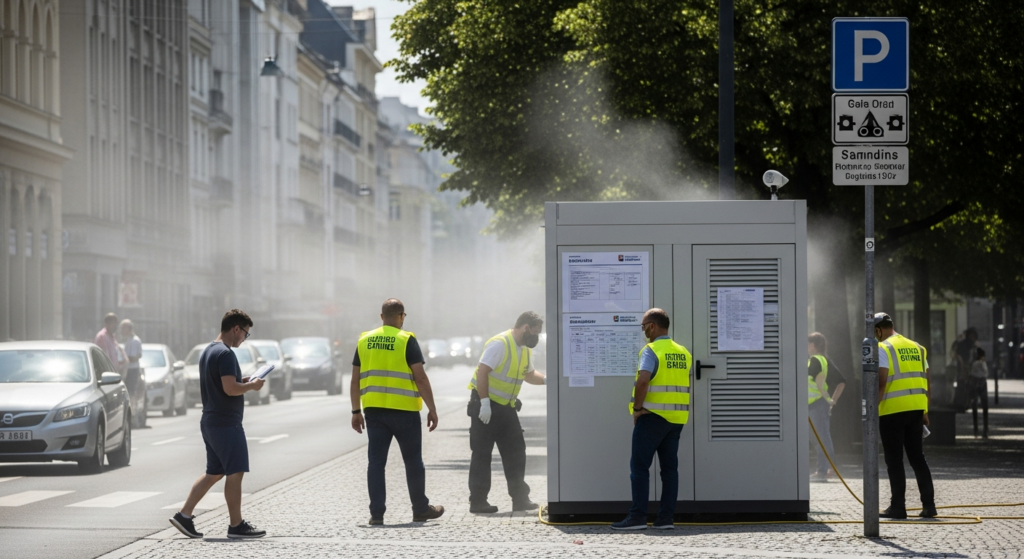
Central and eastern Europe are currently grappling with an extreme heat wave, with forecasts indicating temperatures approaching 38 degrees Celsius in several capital cities. This severe weather event has prompted emergency measures and significant disruptions across Italy and other parts of the continent.
Public safety officials are issuing advisories as the prolonged high temperatures pose health risks, particularly to vulnerable populations. Heat-related illnesses, such as heatstroke and dehydration, are a growing concern. Authorities are urging residents to take precautions, including staying hydrated, avoiding strenuous outdoor activities during peak heat hours, and seeking cool environments when possible.
The extreme heat is also causing widespread travel disruptions. Transportation networks are experiencing strain, with potential delays and cancellations affecting flights, trains, and public transit. Road conditions can also be impacted, with increased risk of heat-related infrastructure failures.
For those working outdoors, the heat wave presents significant challenges and safety concerns. Industries relying on outdoor labor are being forced to adapt work schedules, implement enhanced safety protocols, and provide additional support to employees to mitigate the risks associated with prolonged exposure to high temperatures.
The situation underscores the importance of heat preparedness, a concern that resonates even in regions not directly experiencing the most severe conditions. Understanding the potential impacts of extreme heat on daily life, public services, and infrastructure is crucial for building resilience.
As the heat wave continues, European nations are implementing a range of emergency responses, from opening cooling centers to adjusting public service operations. The economic impact is also being felt, with potential effects on sectors ranging from agriculture to tourism. The focus remains on managing the immediate crisis while also considering long-term strategies for adapting to increasingly severe weather patterns.
Why it matters in Rock Hill
While the immediate crisis is unfolding across Europe, the extreme heat serves as a stark reminder of the potential impacts of rising global temperatures. Rock Hill, like many communities, can experience its own periods of intense heat, affecting residents, local businesses, and public services. Understanding how other regions manage such events can inform local preparedness strategies. For instance, the strain on public transportation and the need for enhanced outdoor worker safety protocols are directly relevant to Rock Hill. Local entities such as Piedmont Medical Center would likely see an increase in heat-related patient visits during extreme weather, and the City of Rock Hill’s public works department may face challenges maintaining infrastructure under prolonged high temperatures. Planning for such scenarios is essential for community well-being.