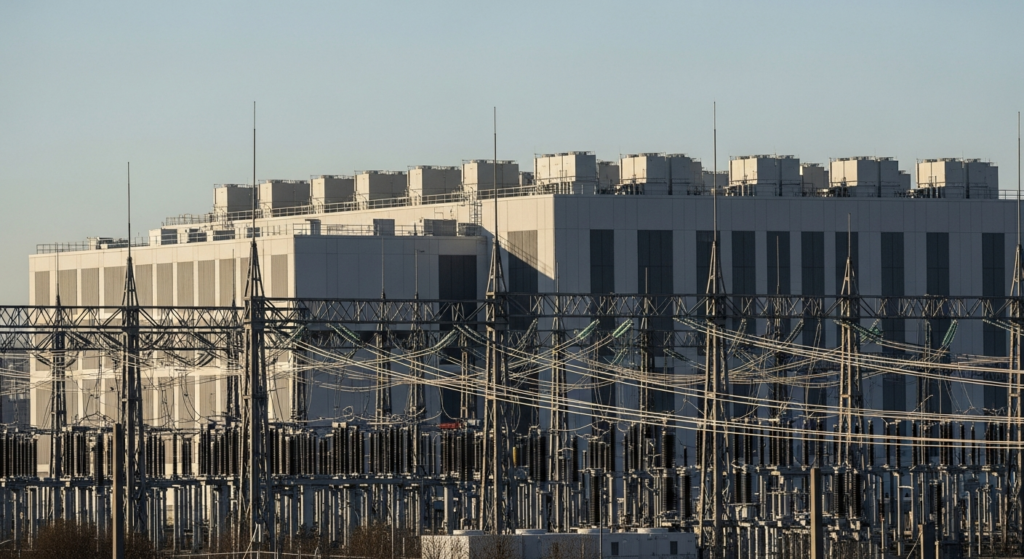
The rapid expansion of artificial intelligence technologies is fueling an unprecedented demand for data centers, placing significant new pressures on electrical grids and reshaping economic development strategies across the United States. As companies seek locations with robust and reliable power infrastructure, communities in the Piedmont region, including Rock Hill and surrounding York County, are navigating the complex interplay between technological growth and energy supply.
Industry analysts and energy sector observers note that the power requirements for modern AI data centers far exceed those of previous generations of computing facilities. These centers, which house thousands of high-performance servers, can consume as much electricity as a small city, making grid capacity a primary consideration in site selection. This shift is prompting a reevaluation of where and how these energy-intensive operations are built, moving beyond traditional tech hubs to areas that can support their substantial power needs.
For local economic development agencies, the prospect of attracting a major data center presents a dual challenge and opportunity. While such facilities can bring significant capital investment and tax revenue, they typically create a relatively small number of direct jobs compared to their footprint and energy consumption. Moreover, the infrastructure upgrades required to support them can be substantial, potentially impacting existing utility ratepayers.
In Rock Hill, a city with a history of strategic economic development efforts, including the ambitious but ultimately canceled Carolina Panthers headquarters project in 2022, the conversation around large-scale industrial and technological investments is ongoing. The city’s existing industrial corridors, such as Dave Lyle Boulevard and Celanese Road, offer potential sites for large facilities, but the availability of sufficient power and land-use planning would be critical factors. Officials like Mayor John P. Gettys Jr. and the City of Rock Hill leadership are consistently engaged in balancing growth with infrastructure capabilities.
Utilities serving the Rock Hill area face the task of planning for future demand that is increasingly difficult to predict. The rapid pace of AI development means that projections for energy consumption can quickly become outdated. This necessitates significant long-term investments in transmission lines, substations, and generation capacity, which are costly and time-consuming to implement. The challenge extends to ensuring grid stability and reliability for all customers, from major employers like Comporium Inc. and Atlas Copco USA Power Technique to residential neighborhoods such as Riverwalk and Manchester Village.
Local workforce development also plays a role. While data centers are not labor-intensive, they require highly skilled technicians for maintenance and operations. Institutions like Winthrop University and York Technical College could potentially tailor programs to meet these specialized demands, ensuring a local talent pipeline if such facilities were to locate in the area. However, the primary economic benefit often comes from the indirect effects of investment and tax base expansion, rather than direct job creation at the facility itself.
The broader implications for land use and zoning in York County are also part of the discussion. Large data centers require expansive tracts of land, often in areas that may currently be agricultural or undeveloped. Balancing the desire for economic growth with community planning and environmental considerations becomes paramount. The need for robust water resources for cooling systems, though less pronounced than power, also factors into site suitability.
As the national dialogue around AI data centers and grid capacity intensifies, communities across the Charlotte metro south of the state line, including Rock Hill, are closely monitoring these trends. The decisions made by utility providers, local governments, and economic development organizations in the coming years will shape the region’s energy landscape and its ability to attract future technological investments.
### Why it matters in Rock Hill
The national surge in AI data center demand directly impacts Rock Hill by intensifying the scrutiny on local power infrastructure and economic development strategies. For entities like Comporium Inc., a major telecommunications provider headquartered in Rock Hill, reliable and abundant power is fundamental to their operations and the services they provide across the region. The potential for new, energy-intensive facilities could necessitate significant upgrades to the local grid, affecting planning for future growth and potentially influencing utility rates for residents and businesses across Rock Hill. The city’s ability to attract and integrate such projects, while managing their energy footprint, will be a defining factor in its economic trajectory and its capacity to support both established industries and emerging technologies. The discussions around grid capacity and site selection are not abstract; they are concrete challenges that will shape the physical and economic landscape of Rock Hill for decades to come.