Managing personal health during periods of elevated temperatures requires careful consideration, particularly for individuals taking prescription medications. The combination of heat and certain pharmaceuticals can pose unique challenges, making informed planning essential for residents of Rock Hill and the broader York County area.
Healthcare professionals emphasize the importance of understanding how the body regulates temperature and how various medications can interfere with this process. When the ambient temperature climbs, the body works harder to cool itself through sweating and increased blood flow to the skin. Some medications, however, can reduce the body’s ability to sweat, increase fluid loss, or affect the cardiovascular system, potentially exacerbating the risk of heat-related illnesses.
### Understanding Medication Interactions with Heat
A wide range of medications can influence the body’s response to heat. For instance, diuretics, commonly prescribed for high blood pressure and heart conditions, can increase fluid loss, leading to dehydration more quickly in hot weather. Anticholinergic medications, often used for allergies, depression, or bladder control, can inhibit sweating, making it harder for the body to cool down. Similarly, some psychiatric medications can affect the brain’s thermoregulatory center, while certain blood pressure medications may cause dizziness or lightheadedness in the heat due to their impact on blood vessels.
Beyond their effects on the body, the medications themselves can be sensitive to high temperatures. Many pharmaceuticals require storage at room temperature, typically between 68 and 77 degrees Fahrenheit. Exposure to extreme heat, such as inside a parked car in Rock Hill during the summer, can degrade the active ingredients in medications, rendering them less effective or, in some cases, potentially harmful. Insulin, for example, is particularly vulnerable to heat and must be stored carefully.
### Essential Hydration and Symptom Awareness
Hydration remains a cornerstone of heat safety. Staying adequately hydrated is crucial for everyone, but especially for those on medication. Drinking plenty of water throughout the day, even before feeling thirsty, can help the body maintain its core temperature and prevent dehydration. Beverages containing caffeine or high sugar content should be consumed in moderation, as they can contribute to fluid loss.
Recognizing the early signs of heat-related illness is also vital. Symptoms of heat exhaustion can include heavy sweating, cold, clammy skin, a fast, weak pulse, nausea, muscle cramps, and dizziness. If these symptoms appear, individuals should move to a cooler place, loosen clothing, and sip water. Heatstroke, a more severe condition, presents with a body temperature of 103°F or higher, hot, red, dry or damp skin, a strong, rapid pulse, and confusion or unconsciousness. Heatstroke is a medical emergency requiring immediate professional attention.
### Planning for Outdoor Activities and Errands in Rock Hill
For those planning to enjoy Rock Hill’s numerous outdoor spaces, such as Glencairn Garden, Cherry Park, or Manchester Meadows, or simply running errands, proactive measures are key. Scheduling activities during cooler parts of the day, typically early morning or late evening, can significantly reduce heat exposure. Wearing lightweight, loose-fitting, and light-colored clothing can also help. Seeking out shaded areas and taking frequent breaks are advisable.
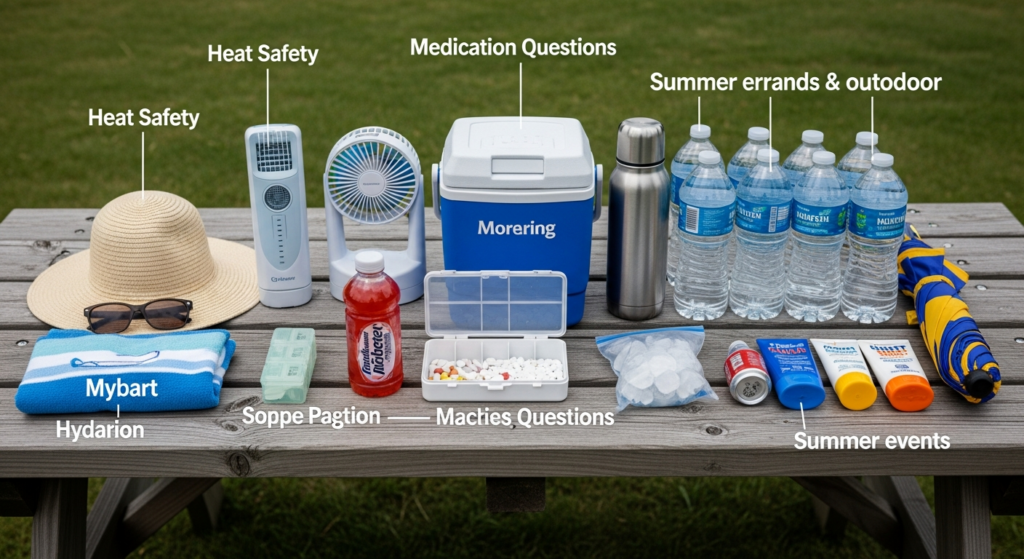
When traveling or spending extended time outdoors, it is prudent to carry medications in insulated bags or coolers, ensuring they remain within their recommended temperature range. Never leave medications in a parked car, even for short periods. For those attending summer events in Rock Hill, understanding the event’s heat safety protocols, including access to water and shaded resting areas, can be beneficial.
### Consulting a Healthcare Provider
Before making any changes to medication routines or self-diagnosing, individuals are encouraged to consult with their healthcare provider or a pharmacist. These professionals can offer personalized advice on how specific medications might interact with heat, discuss potential side effects, and provide guidance on safe storage and hydration strategies tailored to individual health needs. They can also advise on whether adjustments to medication schedules or dosages might be necessary during periods of extreme heat, or if certain activities should be modified.
Piedmont Medical Center, a major employer and healthcare provider in Rock Hill, serves as a critical resource for medical guidance and emergency care for residents concerned about heat-related health issues or medication management. Access to qualified clinicians is paramount for navigating the complexities of personal health in challenging environmental conditions.
### Why it matters in Rock Hill
Understanding the interplay between summer heat and medication safety is not merely a general health recommendation; it has direct implications for the daily lives and well-being of residents across Rock Hill. With local parks like Glencairn Garden and Manchester Meadows drawing visitors for recreation, and the general rhythm of errands and community events continuing through the summer, ensuring personal health preparedness is critical. Institutions such as Piedmont Medical Center stand as vital anchors, offering essential medical expertise and emergency services. Proactive measures and informed decisions regarding medication management and heat exposure can help mitigate health risks, allowing the community to safely engage with the season while maintaining their health and well-being. This collective awareness contributes to a more resilient and healthier Rock Hill.