With summer temperatures a persistent factor in the Piedmont region, health officials and medical experts are emphasizing the importance of heat safety, particularly for individuals managing chronic conditions or taking regular medications. The guidance comes as residents plan for errands, outdoor work, and various summer events across Rock Hill and surrounding areas.
Extreme heat can pose significant risks, not only by directly causing heat-related illnesses but also by affecting how certain medications work within the body. Experts advise that individuals taking prescription drugs or managing ongoing health issues should consult their qualified health providers to understand personal risks and necessary preparations during periods of high temperatures. This proactive step ensures that medication regimens remain effective and safe, even when the mercury climbs.
Hydration is a cornerstone of heat safety. Maintaining adequate fluid intake is crucial for everyone, but it becomes even more critical for those on certain medications that can affect fluid balance or kidney function. Water is generally recommended, and individuals should avoid excessive consumption of sugary drinks, alcohol, or highly caffeinated beverages, which can contribute to dehydration. For those participating in strenuous outdoor activities at places like Manchester Meadows or the Rock Hill BMX Supercross Track, electrolyte-rich fluids may be beneficial, but consultation with a healthcare professional is always prudent.
Beyond hydration, awareness of heat illness warning signs is vital. Symptoms can range from muscle cramps, fatigue, and headaches to more severe conditions like heat exhaustion and heatstroke. Heat exhaustion may manifest as heavy sweating, weakness, dizziness, nausea, and a rapid, weak pulse. If these symptoms occur, it is advised to move to a cooler location, loosen clothing, and sip water. Heatstroke, a medical emergency, involves a body temperature of 103°F or higher, hot red skin (either dry or moist), a rapid and strong pulse, and potential confusion or unconsciousness. Immediate medical attention is necessary in such cases.
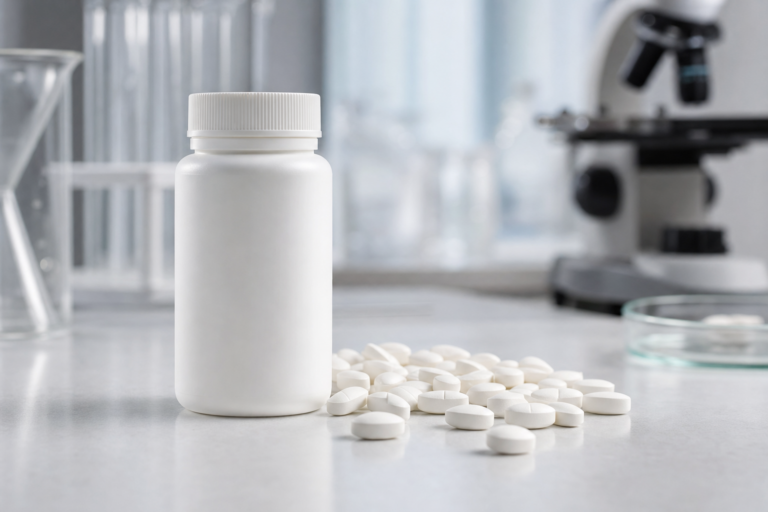
Medications can interact with heat in several ways. Some drugs can increase sensitivity to the sun, making sunburn more likely. Others might impair the body’s ability to regulate temperature, increasing the risk of overheating. Diuretics, for example, can lead to increased fluid loss, exacerbating dehydration. Certain psychiatric medications, antihistamines, and drugs for heart conditions can also affect the body’s response to heat. Storing medications properly, away from direct sunlight and extreme temperatures, is also important, as heat can degrade their effectiveness.
For those planning to enjoy Rock Hill’s outdoor spaces, such as Glencairn Garden or Cherry Park, or engaging in activities along the Catawba River, it is advisable to schedule outings during cooler parts of the day, typically early mornings or late evenings. Wearing lightweight, light-colored clothing, seeking shade, and taking frequent breaks are practical steps to reduce risk. Knowing the location of public cooling centers, if available, can also provide a crucial refuge during peak heat.
### Why it matters in Rock Hill
For the community of Rock Hill, understanding the interplay between summer heat and personal health, particularly medication safety, is a critical public health consideration. Local institutions like Piedmont Medical Center often see an increase in heat-related incidents during prolonged periods of high temperatures. By proactively addressing hydration and medication concerns, residents can mitigate risks, ensuring safer participation in summer activities and reducing the strain on local emergency services. This awareness contributes to the overall well-being and resilience of Rock Hill, allowing individuals to navigate the season more safely and confidently.