As the deer season approaches, hunters across Rock Hill and York County are engaging in critical preseason preparations, focusing on equipment integrity, strategic planning, and technological readiness. A detailed guide emphasizes the importance of these steps, from inspecting weapons and treestands to utilizing advanced mapping and trail camera systems, all designed to enhance safety and success in the field.
Weapon and Optics Inspection: Ensuring Reliability and Accuracy
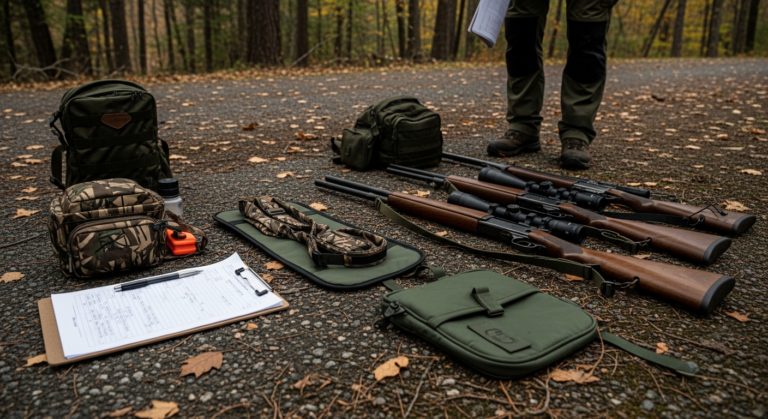
Thorough inspection of hunting weapons is a foundational step in preseason preparation. For archers, this involves a meticulous examination of bows. Hunters should carefully check bow limbs for any signs of wear, stress cracks, or separation, which could compromise structural integrity and lead to dangerous malfunctions. Cams, critical for the bow’s draw cycle and energy transfer, require inspection for nicks, grooves, or any irregular movement. Bowstrings and cables, subject to immense tension, must be scrutinized for fraying, broken strands, or excessive wear; waxing strings regularly helps maintain their condition and prolong their lifespan. Any questionable components should be replaced without hesitation. Beyond inspection, consistent shooting practice is paramount. Regular sessions help build muscle memory, refine form, and ensure shot consistency, which is vital for ethical and accurate shots when the season opens.
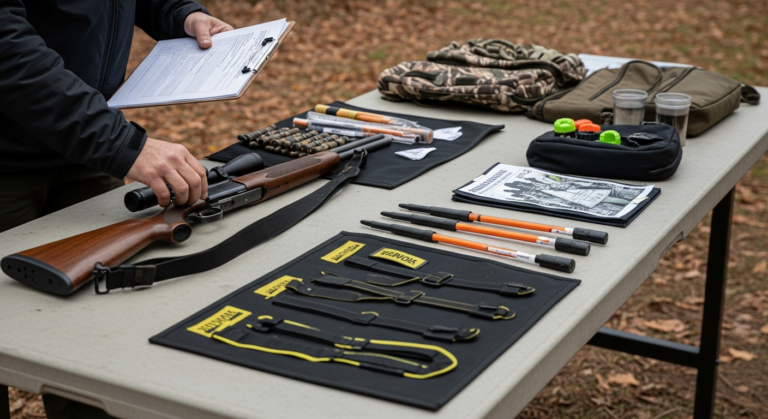
For rifle hunters, preparation begins with a comprehensive cleaning and oiling of the firearm. This process removes residue from previous use, prevents corrosion, and ensures all moving parts function smoothly. The rifle scope, a critical component for precision, must be securely mounted to prevent any shift in zero. Hunters are advised to confirm their rifle’s zero at a shooting range, firing multiple shots to ensure accuracy at various distances. This step is non-negotiable for ethical hunting. Additionally, for those using broadheads, an arrow spinner can be an invaluable tool. This device allows hunters to check broadhead straightness and alignment, ensuring that the arrow flies true and penetrates effectively upon impact.
Treestand Safety and Strategic Placement: A Dual Focus
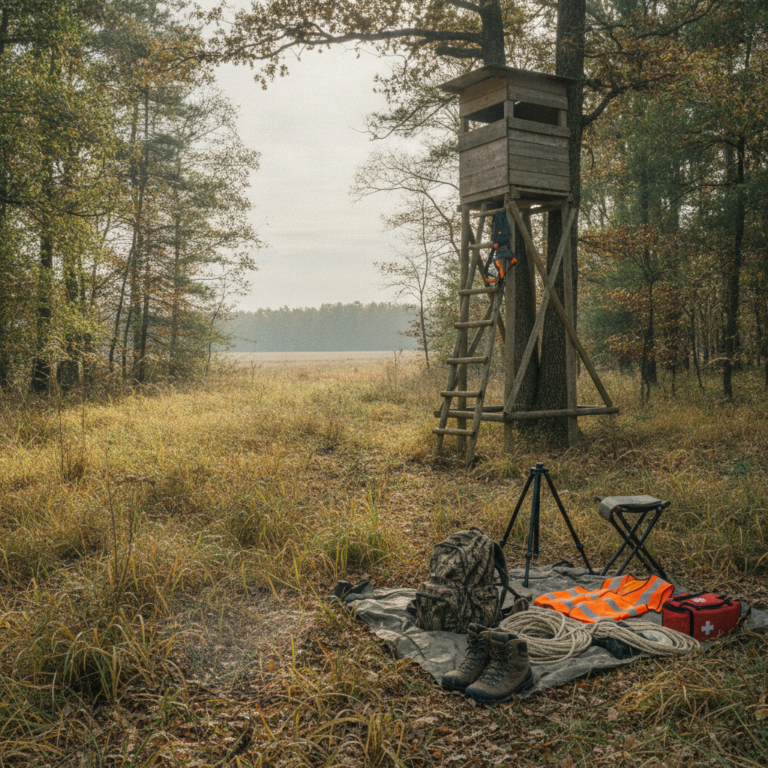
Safety in the elevated hunting environment is paramount, making treestand and harness inspection a critical preseason task. Hunters must meticulously check all treestands, ladder stands, and climbing sticks for signs of rust, which can weaken metal components, and loose fasteners that could lead to structural instability. Cracks in welds or frame components, and frayed straps or cables, are immediate red flags requiring repair or replacement. A full-body harness is an indispensable safety device, and hunters should not only test its functionality but also practice using it in conjunction with a lifeline. This ensures familiarity and proper deployment in an emergency, significantly reducing the risk of falls from elevated positions.
Beyond safety, strategic stand placement is key to hunting success. The guide recommends hanging stands early in the season, allowing deer to acclimate to their presence and minimizing disturbance closer to opening day. Ideal locations often include natural pinch points, funnels, and creek crossings, which are natural travel corridors for deer. Staging areas near primary food sources, such as oak stands or agricultural fields, or adjacent to bedding areas, are also prime spots. When trimming shooting lanes, hunters are advised to be conservative, removing only what is necessary to ensure a clear shot while maintaining sufficient cover. All placement activities should be conducted using quiet, scent-free methods to avoid alerting deer to human presence.
Map Scouting and Route Planning: Understanding the Terrain
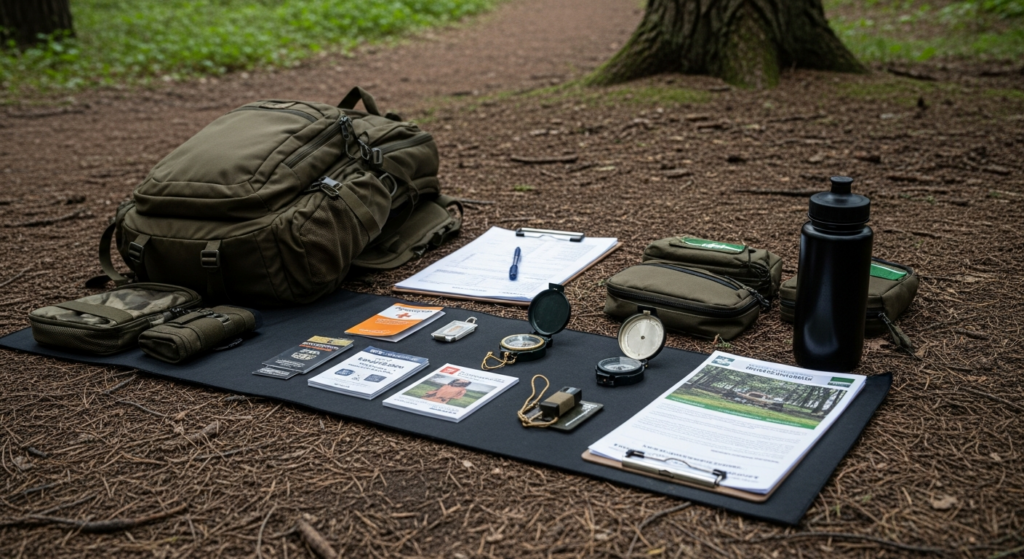
Effective map scouting, whether with physical maps or digital platforms, provides a significant advantage by allowing hunters to understand the terrain and deer movement patterns before stepping into the woods. Hunters should study contour lines to identify key topographical features such as saddles, ridges, and draws. Saddles, depressions in a ridge, often serve as natural travel routes, while ridges offer elevated vantage points and draws provide sheltered pathways. Identifying creeks, ponds, and low spots is crucial, as water sources are vital for deer, especially during the warmer months of summer.
Locating food sources is another critical aspect of map scouting. This includes identifying agricultural fields, which provide abundant forage, and oak stands, known for producing acorns, a preferred food source. Natural browse areas, where deer feed on various plants and shrubs, should also be noted. Planning access points is essential for minimizing disturbance. Furthermore, hunters must plan detailed entry and exit routes, considering different wind conditions. This foresight allows hunters to approach and leave their stands without their scent being carried directly into bedding or feeding areas, which could alert deer and compromise the hunt.
Trail Camera Deployment and Advanced Mapping: Leveraging Technology
Trail cameras have become an indispensable tool for monitoring deer activity and understanding their patterns. Strategic placement is key to maximizing their effectiveness. Ideal locations include mineral licks, which attract deer seeking essential nutrients, and trails connecting bedding areas to feeding grounds. Field edges and corners, where deer often transition between cover and open areas, are also productive spots. Placing cameras near water sources can reveal consistent deer traffic, especially during dry periods.
Before deployment, thorough preparation of the cameras themselves is necessary. Batteries should be fully charged, and if using traditional SD cards, they must be formatted and labeled clearly to avoid confusion and data loss. Testing the field of view and motion settings ensures the camera captures the desired area without excessive false triggers. For cellular cameras, activation and updating software before heading into the field are critical steps to ensure they transmit images reliably. Power options for cameras include lithium cartridges, which offer extended life, as well as solar panels—both standard and folding designs—and battery belts, providing sustainable power for prolonged monitoring.
An increasingly popular technological aid is enhanced mapping, such as the Xtra add-on available for Tactacam REVEAL plans. Starting at approximately $4 per month, this feature provides hunters with a wealth of detailed information. It includes precise property boundaries and property information, which is invaluable for hunters operating on private land in York County. The mapping system can display property access points, landowner names, and addresses, facilitating proper coordination and permission. Tools for drawing shapes and paths, along with custom pins, allow hunters to mark specific points of interest, travel routes, and stand locations. Integrated navigation features further assist hunters in traversing unfamiliar terrain with confidence.
Comprehensive Preseason Checklist: Beyond the Core
Beyond weapons, stands, and cameras, a comprehensive preseason checklist includes several other crucial elements. Scent-free clothing and footwear are essential for minimizing human odor, which can easily spook deer. Hunters should wash their gear with scent-eliminating detergents and store it in airtight containers. For multi-day hunts, ensuring all camping equipment is functional and well-maintained is vital for comfort and safety in the outdoors. This includes tents, sleeping bags, cooking gear, and first-aid supplies. The contents of a hunting pack should be meticulously organized, with essential items like a knife, flashlight, rope, and emergency whistle readily accessible.
For those hunting on private land, coordinating with landowners is a critical step. This involves confirming access routes, understanding any specific rules or restrictions, and maintaining a good relationship. Finally, physical conditioning is often overlooked but plays a significant role in hunting success and safety. The ability to navigate challenging terrain, carry heavy equipment, and safely extract game requires a reasonable level of fitness. Engaging in regular exercise, particularly activities that mimic the physical demands of hunting, can make a substantial difference in the field.
Why it matters in Rock Hill
For residents of Rock Hill and the broader York County area, the annual deer hunting season represents a significant cultural and recreational pursuit. The meticulous preseason preparations outlined are not merely suggestions but foundational practices that ensure safety and promote ethical hunting. With access to natural areas like the Catawba River and Lake Wylie, and numerous private land opportunities, the region offers diverse hunting environments. The emphasis on equipment safety, strategic planning, and responsible land use directly impacts the well-being of hunters and the sustainability of local wildlife populations. This commitment to preparation underpins a cherished outdoor tradition, contributing to the quality of life and recreational economy that benefits the community, including local businesses and outdoor outfitters that serve the many hunters from Rock Hill and surrounding neighborhoods like Riverwalk and Manchester Village.