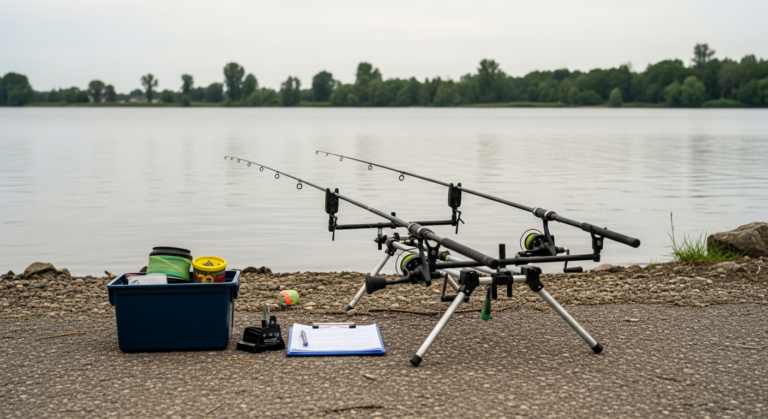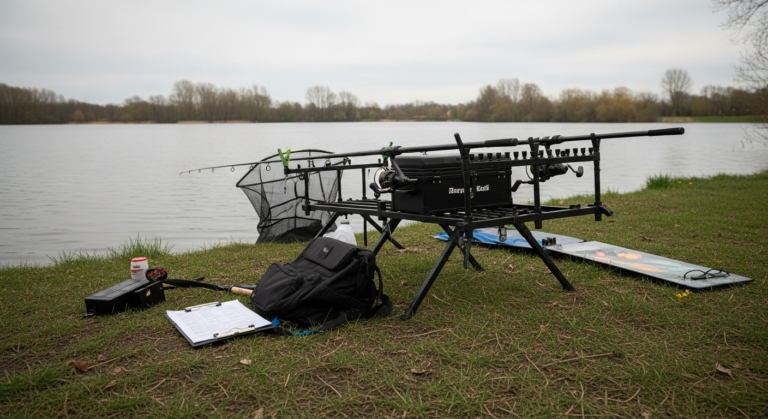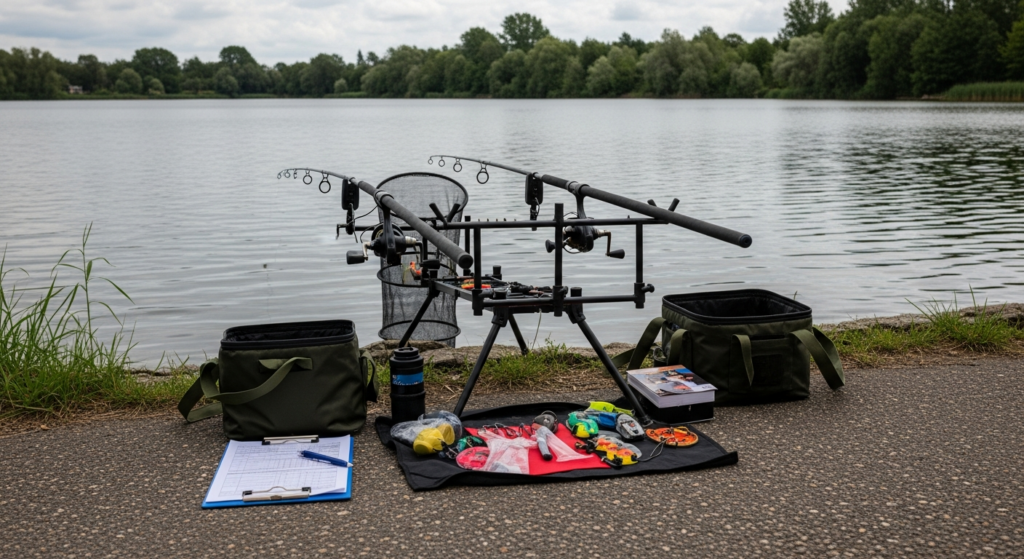
For those who enjoy fishing in the Rock Hill area, particularly on the Catawba River and Lake Wylie, understanding and implementing safety measures is paramount during the summer. A detailed safety guide, relevant to local waterways, provides seven key recommendations designed to ensure a safe and enjoyable experience for anglers. These guidelines address common warm-weather hazards and best practices for fish handling, aiming to protect both individuals and the aquatic environment.
Prioritizing Hydration
Maintaining adequate hydration is a fundamental aspect of summer safety, especially when spending extended periods outdoors. The guide strongly recommends consuming at least eight glasses of water daily, with increased intake advised during periods of heavy sweating. Anglers are encouraged to carry a large, insulated water bottle to keep water cool and accessible throughout their trip. To further support hydration, considering electrolyte drinks or tablets can help replenish essential minerals lost through perspiration. Conversely, beverages such as caffeine and alcohol should be avoided, as they can contribute to dehydration. Taking regular breaks to rehydrate, even when not feeling overtly thirsty, is a proactive measure against heat-related illness.
Comprehensive Sun Protection
Exposure to the sun’s powerful ultraviolet (UV) rays can lead to sunburn, skin damage, and an increased risk of long-term health issues. The guide advises using a broad-spectrum sunscreen with a Sun Protection Factor (SPF) of at least 30. This should be applied generously 15 to 30 minutes before heading outdoors to allow it to absorb effectively. Reapplication is crucial, recommended every two hours, or more frequently if sweating heavily or after contact with water. Beyond sunscreen, UV-protective sunglasses are essential for shielding eyes from harmful rays, and wide-brimmed hats offer additional facial protection. Wearing lightweight, long-sleeved protective clothing can also create a barrier against the sun, particularly during the peak hours of 10 AM to 4 PM, when the sun’s rays are strongest.
Recognizing and Responding to Heat Exhaustion
Heat exhaustion is a serious condition that can quickly escalate to heat stroke if not addressed promptly. Anglers should be vigilant for symptoms including heavy sweating, general weakness, dizziness, nausea, headaches, and muscle cramps. If these signs appear, immediate action is necessary. The affected individual should move to a shaded area or, if possible, into air conditioning. Slowly sipping cool water or an electrolyte drink can help rehydrate the body. Applying cool, wet cloths to the skin and loosening any restrictive clothing can also aid in cooling. Seeking prompt and effective cooling is critical to prevent the condition from progressing to heat stroke, which is a medical emergency.
Vigilance with Weather and Water Conditions
Unpredictable weather and changing water conditions can pose significant risks to anglers. The guide stresses the importance of checking local weather forecasts, heat advisories, and severe-weather alerts before and during any fishing excursion. Anglers should be prepared for sudden weather changes, which can occur rapidly in the Piedmont region. Monitoring river conditions is also vital, especially for those fishing on the Catawba River, where water levels and currents can fluctuate. Utilizing a weather radio or a smartphone application with real-time alerts can provide crucial updates. Planning trips for the cooler parts of the day, such as early morning or late afternoon, can mitigate heat exposure. Additionally, employing a buddy system ensures that someone is aware of an angler’s whereabouts and can provide assistance if needed.
Equipping for Safety and Comfort
Proper gear extends beyond fishing tackle; it encompasses items essential for safety and comfort. A well-stocked first aid kit is indispensable, containing bandages, antiseptics, pain relievers, and any personal medications. Beyond water for hydration, high-energy snacks are recommended to maintain stamina. A cooler filled with ice packs can keep drinks and snacks cool, and also serve as a cooling aid in an emergency. Portable fans or misting devices can provide personal relief from the heat. Alongside sunscreen, hats, and sunglasses, a multi-tool or fishing knife is practical for various tasks. Carrying extra clothing and a lightweight waterproof jacket prepares anglers for unexpected temperature drops or rain showers.
Practicing Responsible Angling
Responsible fishing practices are crucial for preserving local fish populations and ensuring the sustainability of recreational angling in areas like Lake Wylie. The guide advocates for the use of barbless hooks or crimping the barbs on standard hooks to minimize harm to fish. When handling fish, anglers should wet their hands to protect the fish’s protective slime coat and avoid touching the gills and eyes. Supporting the fish’s entire body, especially larger specimens, reduces stress and injury. Limiting the time a fish spends out of water is vital for its survival, and using a landing net can facilitate a quick and safe release. Adhering to all local catch limits and seasonal restrictions is a legal and ethical obligation. Practicing catch-and-release, particularly for larger, breeding-age fish, helps maintain healthy fish stocks for future generations of Rock Hill anglers.
Why it matters in Rock Hill
Adhering to these summer fishing safety guidelines is directly relevant to the well-being of Rock Hill residents and the health of the region’s natural resources. With the Catawba River and Lake Wylie serving as popular destinations for recreation, ensuring the safety of individuals who enjoy these waterways is a public health priority. Implementing these practices can reduce the incidence of heat-related illnesses and injuries, thereby potentially alleviating strain on local emergency services and healthcare providers like Piedmont Medical Center. Furthermore, responsible angling practices contribute to the ecological balance of these vital aquatic ecosystems, preserving them for the enjoyment of current and future generations within York County and the wider Rock Hill community.