What Are the Best Practices for DIY Roof Replacement?
Replacing a roof is a significant undertaking that requires careful planning and execution. Understanding the best practices can not only help you save money but also ensure the longevity and safety of your new roof. This article outlines essential guidelines for a successful DIY roof replacement.
Assessing the Need for Replacement
Evaluate Roof Condition
Before proceeding, assess the overall condition of your roof. Look for:
- Missing shingles: A few missing shingles may be repairable.
- Cracked shingles: Consider replacement if cracks are widespread.
- Leaks: Persistent leaks indicate a more significant problem.
- Mold growth: This can compromise structural integrity.
- Granule loss: Inspect gutters for shingle granules, a sign of aging.
Preparations Before Roof Replacement
Gather Necessary Tools and Materials
Having the right tools simplifies the process. Essential items include:
- Ladders: Ensure they are sturdy and extendable.
- Nail gun: Speeds up shingle installation.
- Safety harnesses: Protects against falls.
- Utility knife: For cutting shingles and underlayment.
- Measuring tape: For accurate measurements.
- Roofing nails: Essential for securing shingles.
Check Local Building Codes
Prior to beginning work, consult your local building codes. Understand:
- Permits: You may need a permit for roof replacement.
- Material restrictions: Some areas have guidelines on roofing materials.
- Inspection requirements: Local regulations may require an inspection post-installation.
Safety Precautions
Use Proper Gear
Safety should be a top priority when working on a roof. Essential gear includes:
- Hard hats: Protects against falling debris.
- Non-slip footwear: Reduces the risk of slipping.
- Gloves: Protects hands during installation.
- Safety goggles: Shields eyes from flying debris.
Establish a Safety Plan
Implement a safety plan that includes:
- Emergency contact: Have someone available in case of accidents.
- Work area setup: Keep the area free of clutter and hazards.
- Fall protection: Use harnesses and tie-offs correctly.
Removing the Old Roof
Inspection Before Removal
Inspect the existing materials before removal. Knowing what lies beneath can prevent surprises. Look for:
- Decking damage: Check for rot or decay.
- Underlayment condition: Replace it if it is deteriorated.
Careful Removal Process
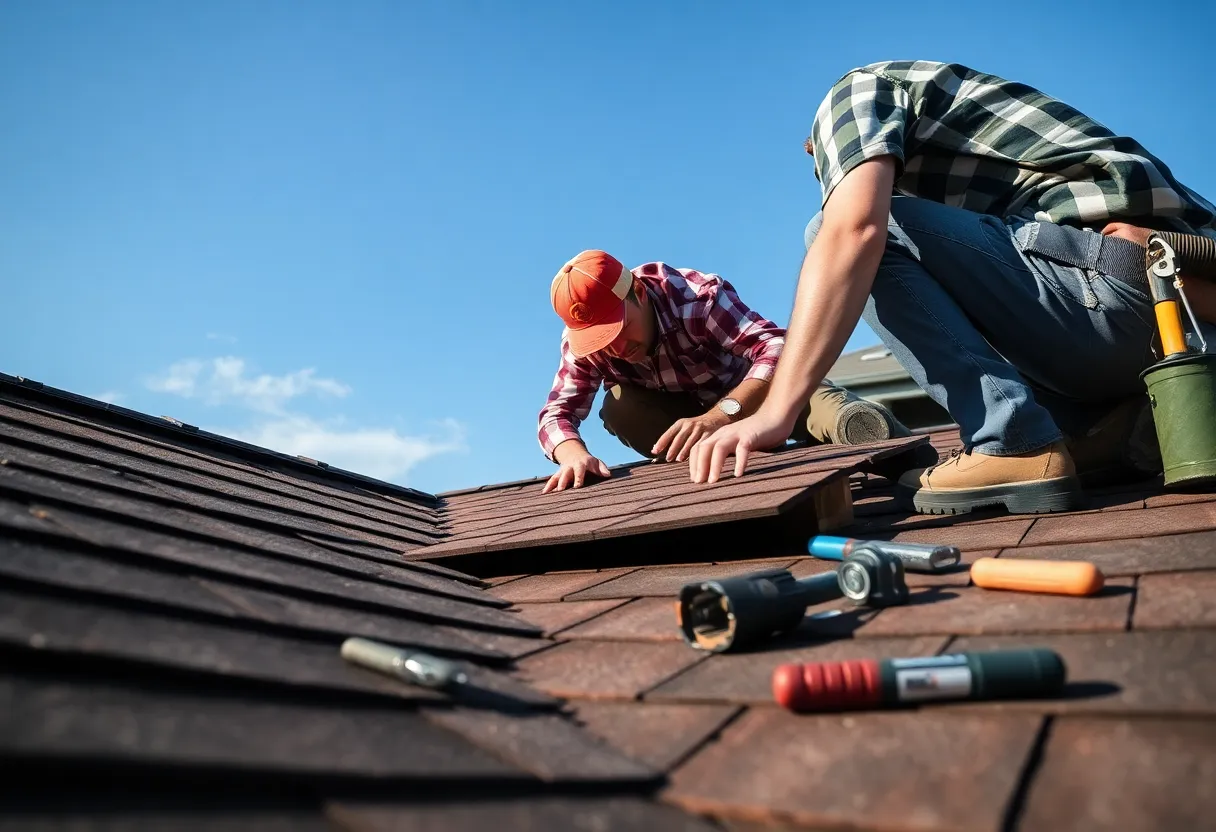
Remove roofing materials methodically. Steps include:
- Start at the highest point: Work your way down.
- Use a pry bar: Lift shingles without damaging the decking.
- Dispose of waste properly: Keep the work area tidy.
Installing New Roofing Material
Selecting Roofing Material
Choose roofing materials that complement your home and climate. Options include:
- Asphalt shingles: Cost-effective and widely used.
- Metal roofing: Durable and long-lasting.
- Tile roofs: Ideal for warmer climates.
Underlayment Installation
Proper underlayment enhances water resistance. Steps involve:
- Roll out the underlayment: Start at the eave and work up.
- Overlap seams: Ensure water runs off rather than pooling.
- Secure with roofing nails: Follow manufacturer’s guidelines for spacing.
Shingle Installation
Follow these steps for shingle installation:
- Begin at the eaves: Lay the first row of shingles to encourage water flow.
- Layer shingles correctly: Offset seams to minimize leaks.
- Use proper fastening techniques: Follow the manufacturer’s instructions for nail placement.
Finishing Touches
Install Flashing
Flashing is crucial around chimneys and other protrusions to prevent leaks. Ensure to:
- Install step flashing: Where walls and roofs meet.
- Use continuous flashing: Around chimneys and vents.
Clean Up and Inspect
Finally, clean up the work area. Remove debris and inspect your work. Focus on:
- Checking for leaks: Inspect both interior and exterior for potential problems.
- Securing loose ends: Ensure all fasteners and materials are solid.
Regular Maintenance Post-Installation
Inspections
Scheduled inspections prolong your roof’s life. Recommendations include:
- Annual checks: Inspect for signs of wear or damage.
- Post-storm evaluations: Check for damage after severe weather.
Debris Removal
Keep the roof clear of debris, including:
- Leaves: Block gutters and cause damage.
- Branches: Can puncture the roofing material.
Address Issues Promptly
Quickly repair any issues that arise to avoid larger problems down the line. This includes:
- Replacing damaged shingles promptly
- Fixing leaks as soon as noticed
Conclusion
DIY roof replacement can be rewarding when executed correctly. Evaluate your roof’s condition, gather the necessary tools, and follow the safety precautions outlined. The meticulous removal of the old roofing followed by the careful installation of new materials ensures a durable roof that protects your home for years to come. Don’t forget the importance of regular maintenance after installation, as it is vital for the longevity of your roofing system.

 Mays Contracting