
How Can You Use Behavioral Insights to Create High-Impact Digital Marketing Campaigns?
In the rapidly evolving digital landscape, understanding consumer behavior is paramount. Behavioral insights provide marketers with the tools needed to design campaigns that resonate. By leveraging psychological triggers and social dynamics, businesses can create impactful digital marketing efforts. This article outlines key strategies to utilize behavioral insights effectively.
Understanding Behavioral Insights
Behavioral insights stem from the study of how individuals make decisions. These insights help marketers predict consumer actions, allowing for tailored messaging and targeted campaigns. Key concepts include:
- Behavioral Economics: Combining psychology and economic theory, it explains why consumers often act irrationally.
- Social Proof: People tend to follow the actions of others, influencing their decision-making.
- Scarcity: Limited availability can create urgency, prompting quicker consumer decisions.
Key Strategies for Utilizing Behavioral Insights
1. Segment Your Audience
One size does not fit all. Behavioral segmentation allows businesses to target specific groups based on behavior patterns. Techniques include:
- Demographics: Age, gender, income, and location are foundational variables.
- Psychographics: Interests, lifestyle choices, and values provide deeper understanding.
- Behavioral Patterns: Purchase history and website interactions guide tailored content delivery.
2. Use Personalization
Personalization transcends simply addressing consumers by name. Techniques to enhance engagement include:
- Targeted Recommendations: Utilize prior purchasing behavior to suggest complementary products.
- Dynamic Content: Tailor website elements based on real-time user behavior, enhancing relevance.
- Customized Emails: Segment email campaigns using behavioral data for higher open and conversion rates.
3. Implement A/B Testing
A/B testing allows marketers to experiment with different campaign elements. This data-driven approach helps determine which strategies resonate most. Important components to test include:
- Subject Lines: Gauge interest and open rates through different messaging styles.
- Call-to-Action (CTA): Test various CTAs to identify the most compelling phrasing.
- Visuals: Assess the impact of images versus videos on user engagement.
4. Leverage Behavioral Triggers
Behavioral triggers can lead to instant consumer action. These elements encompass:
- Urgency: Limit-time offers increase motivation to act quickly.
- Anchoring: Present higher initial prices to make subsequent offers appear more attractive.
- Social Proof: Include testimonials and user reviews to establish credibility.
5. Create Compelling Content
Content must not only inform but also connect with the audience emotionally. Techniques to enhance content effectiveness include:
- Storytelling: Resonate with your audience through relatable narratives and experiences.
- Emotion-Driven Messaging: Analyze emotional triggers that can drive audience engagement.
- Visual Appeal: Use visually compelling content to capture attention and deliver messages effectively.
6. Analyze User Behavior
Utilizing analytics tools provides invaluable data on user interactions. Key metrics to monitor include:
- Bounce Rate: Indicates how engaging the landing pages are.
- Conversion Rate: Measures the effectiveness of call-to-action strategies.
- Time on Page: Evaluates content relevancy and engagement levels.
Establishing Effective Campaigns
Translating behavioral insights into actionable marketing campaigns involves a systematic approach. Steps include:
1. Define Clear Objectives
Campaign goals should be specific, measurable, achievable, relevant, and time-bound (SMART). Examples include improving conversion rates or increasing engagement on social media.
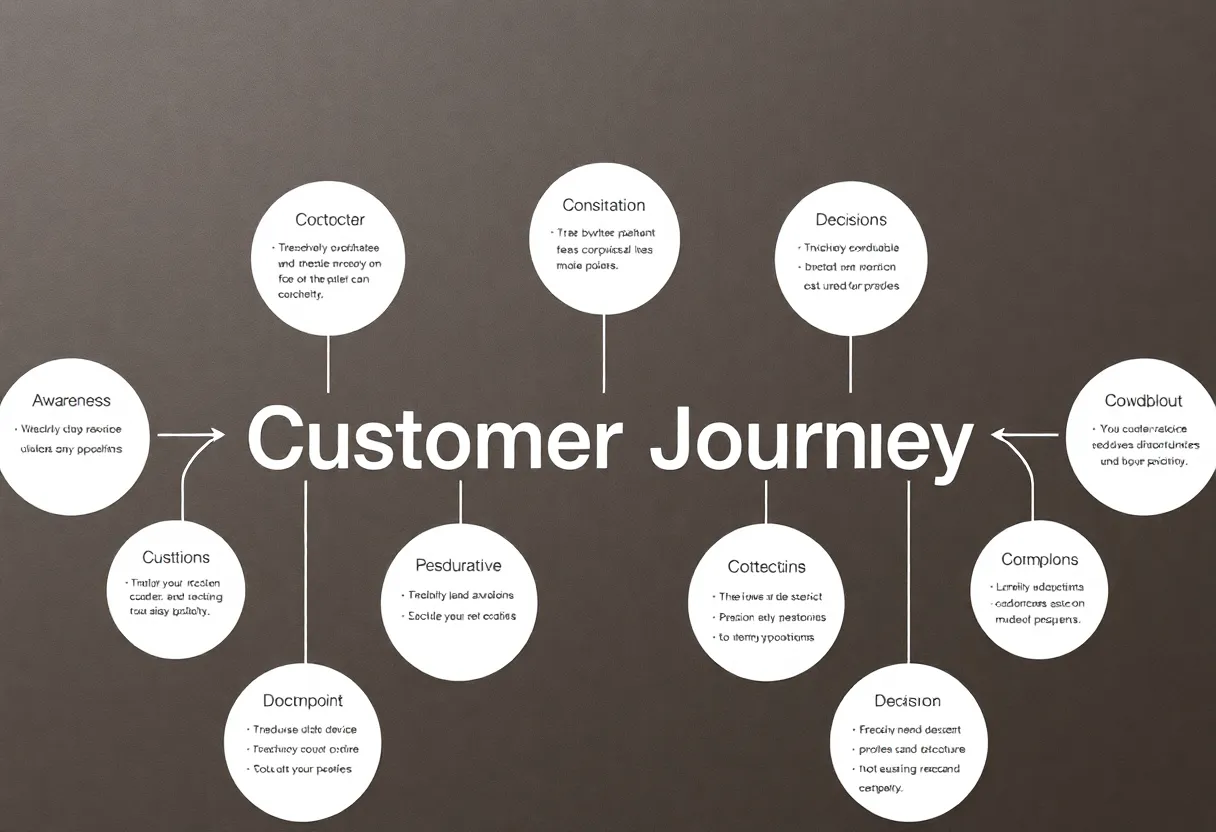
2. Map the Customer Journey
Understand how consumers interact with your brand from awareness to post-purchase. Identify touchpoints where behavioral insights could enhance experience and outcomes.
3. Engage With Real-Time Data
Utilize real-time data to inform campaign adjustments. Decision-making based on user data increases campaign efficacy.
4. Align Messaging Across Channels
Ensure consistent messaging across all digital channels. A cohesive brand experience strengthens recognition and trust.
Testing and Iteration
Once campaigns are launched, continual testing and optimization are crucial. Consider these approaches:
1. Monitor Key Performance Indicators (KPIs)
Identifying KPIs will inform whether the campaign is meeting its objectives. Focus on:
- Click-Through Rates: Indicate how many users engage with your campaign.
- Return on Investment (ROI): Measure financial returns compared to marketing spend.
2. Gather Customer Feedback
Qualitative data can provide insights that quantitative measures overlook. Use surveys and feedback forms to understand customer sentiments.
3. Adapt Strategies Accordingly
Use the information gathered to tweak and refine campaigns, maximizing impact and effectiveness over time.
Case Studies of Success
Several organizations have effectively utilized behavioral insights in their marketing campaigns. Consider the following examples:
1. E-commerce Platforms
Many e-commerce sites utilize scarcity and urgency through limited-time offers. By highlighting the number of items left in stock, they create a sense of urgency, prompting quicker purchasing decisions.
2. Subscription Services
Subscription services employ personalized recommendations based on user behavior. By customizing offerings, they increase the likelihood of customer retention and upselling opportunities.
3. Travel and Leisure
Travel agencies utilize social proof by featuring testimonials and customer ratings prominently. This strategy enhances credibility and encourages potential clients to engage with the services offered.
Conclusion
Behavioral insights play a critical role in shaping effective digital marketing campaigns. Through careful analysis and application of consumer behavior principles, marketers can build strategies that are not only impactful but also customer-centric. Emphasizing personalization, content relevance, and continuous optimization will yield significant improvements in engagement and conversion rates. Embracing these insights can set businesses apart in a competitive digital landscape.