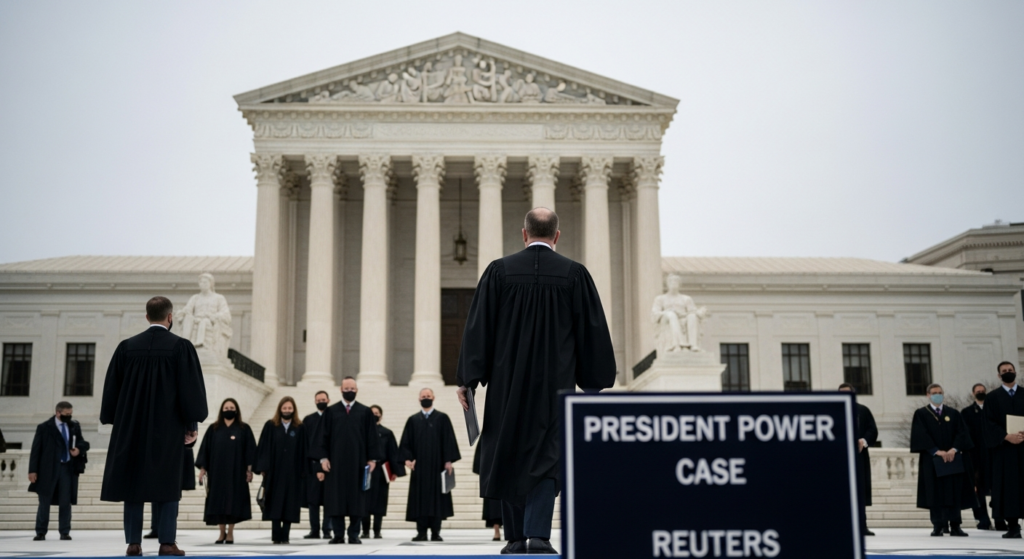
The U.S. Supreme Court is approaching the end of its current term, with several pivotal cases that could shape the understanding of presidential power still awaiting decisions. These pending cases delve into critical questions surrounding executive authority and the president’s ability to remove officials from various government positions.
The term’s close is often marked by a flurry of high-profile rulings, and this year is no exception. Legal observers are closely watching the outcomes of these disputes, which have national implications for the balance of power between the executive branch and other governmental bodies. The cases touch upon the scope of presidential discretion and the checks and balances inherent in the U.S. system of governance.
Questions about executive authority are central to several of the pending cases. These cases examine the extent of the president’s power in directing federal agencies and implementing policy. The judiciary’s interpretation of these powers could have lasting effects on how future administrations operate and the limits placed upon them.
Another significant area of focus is the president’s removal power. This refers to the authority of the president to dismiss individuals appointed to certain positions within the executive branch. The Supreme Court’s rulings in this area will clarify the boundaries of this power and its implications for the independence of various government entities.
The outcome of these cases is anticipated to provide clarity on long-standing debates about the structure and functioning of the federal government. The decisions will be closely scrutinized for their potential impact on administrative law and the separation of powers.
As the court prepares to release its final opinions for the term, the legal and political communities are awaiting guidance on these fundamental aspects of American governance. The decisions are expected to be released in the coming weeks.