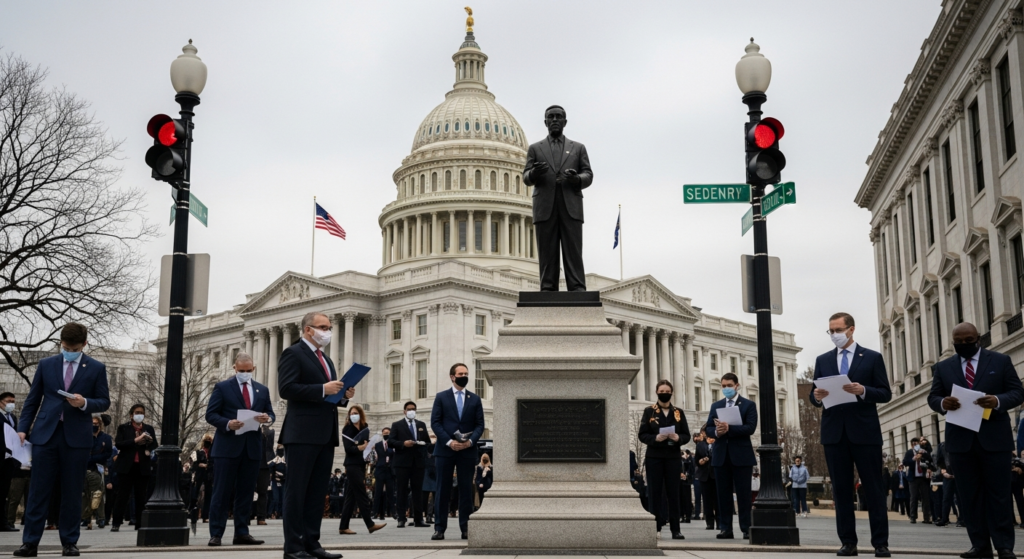
The U.S. House of Representatives has passed a significant piece of legislation aimed at enhancing online safety for minors, mandating that digital platforms incorporate robust safeguards for children. The bill’s passage in the House sets the stage for further debate and negotiation in the Senate, where lawmakers are reportedly considering even stricter standards for online companies.
The legislation addresses growing concerns among parents, educators, and policymakers regarding the potential harms children may encounter on the internet, including exposure to inappropriate content, cyberbullying, and predatory behavior. The proposed measures require online platforms to implement age verification processes, default privacy settings for minors, and clearer reporting mechanisms for harmful content.
While the specifics of the Senate’s potential amendments remain unclear, sources indicate a desire among some senators to push for more comprehensive protections. This could involve increased accountability for platforms that fail to adequately protect young users, as well as potential penalties for non-compliance. The differing approaches between the House and Senate could lead to a complex negotiation process as lawmakers attempt to reconcile their respective visions for child online safety.
The passage of the bill in the House reflects a bipartisan acknowledgment of the challenges posed by the digital landscape for young people. Lawmakers on both sides of the aisle have expressed a commitment to ensuring that children can navigate the online world more safely. However, the path forward in the Senate may prove more challenging, given the varying perspectives on the scope and enforcement of such regulations.
The debate over online safety for minors is a complex one, involving technological feasibility, free speech considerations, and the evolving nature of digital platforms. As the bill moves to the Senate, stakeholders will be closely watching to see how these competing interests are balanced and what final form the legislation will take. The outcome could have significant implications for how social media companies and other online services operate and interact with younger users.
This legislative push comes at a time when children’s engagement with digital technologies continues to grow, making the need for effective safety measures more pressing. The proposed safeguards aim to create a more secure online environment, allowing children to benefit from the educational and social opportunities the internet offers without being unduly exposed to risks.
The bill’s journey through Congress highlights the ongoing efforts to adapt existing legal frameworks to the realities of the digital age. The focus on requiring platforms to build safety into their designs, rather than relying solely on user-reporting, represents a shift in regulatory thinking. The coming weeks will be crucial in determining whether this legislative effort culminates in a comprehensive federal law that addresses the critical issue of youth online safety.
Why it matters in Rock Hill
The passage of this federal legislation has direct implications for families and educational institutions in Rock Hill. As online platforms are required to implement new safeguards, parents and guardians in the city will likely see changes in how their children interact with social media and other digital services. Schools, such as those within the Rock Hill School District (York 3), may also see these new regulations influence discussions around digital citizenship and online conduct for students. The potential for stricter standards in the Senate could further shape the online environment for young people across the state and the nation, impacting the digital experiences of children attending institutions like Winthrop University and York Technical College, and potentially influencing local technology businesses. The ongoing dialogue around online safety underscores the need for awareness and adaptation within the Rock Hill community as technology continues to evolve.