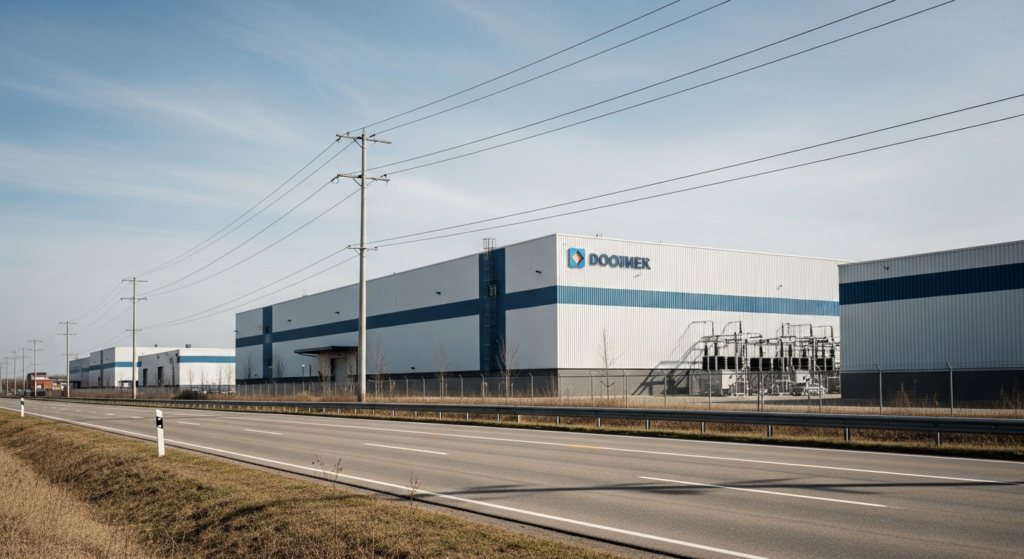
Across more than 125 locations in the United States, opponents of large-scale data center expansion staged coordinated protests over the July 18 weekend, marking what has been described as the first concerted national effort to push back against the infrastructure demands of artificial intelligence. The demonstrations underscored growing community concerns regarding the environmental impact, resource strain, and local governance surrounding these increasingly common facilities.
The protests, which spanned states from Texas to California, focused on several key issues. Transparency in the planning and approval processes for data centers emerged as a central demand, with activists arguing that communities often lack sufficient information about proposed projects until they are well underway. This perceived opacity, they contend, limits public input and oversight on developments that can have significant long-term effects on local areas.
Electricity consumption was another prominent concern. Modern data centers, particularly those designed to power advanced AI computations, require immense amounts of electricity. Protesters highlighted the potential for these facilities to strain local power grids, drive up energy costs for residents and businesses, and increase reliance on fossil fuels, depending on the energy mix of the region. The sheer scale of power demand from a single data center can rival that of a small town, prompting questions about sustainability and grid resilience.
Water usage also featured heavily in the protest narratives. Data centers rely on substantial quantities of water for cooling their vast arrays of servers, a process critical to preventing overheating and maintaining operational efficiency. In many regions, this demand places additional stress on local water supplies, a concern particularly acute in areas already facing water scarcity or where environmental groups advocate for the protection of natural waterways. For communities situated near significant water bodies like the Catawba River or Lake Wylie, the implications of such demands are a relevant consideration for future planning.
Beyond resource consumption, demonstrators voiced concerns about localized pollution. This includes noise pollution from cooling systems and generators, heat emissions that can contribute to localized urban heat island effects, and the potential for electronic waste generation. The cumulative environmental footprint of multiple data centers in a given area was a recurring theme, prompting calls for more rigorous environmental impact assessments.
Finally, the protests emphasized the need for more robust local approval processes. Communities are increasingly seeking greater control over where and how data centers are developed, advocating for zoning regulations, permitting requirements, and community benefit agreements that prioritize local interests. The sentiment reflects a broader desire for municipal and county governments to have stronger negotiating positions and clearer guidelines when considering proposals from large technology companies.
A public opinion poll cited in reports indicated that only 14 percent of respondents would support having an AI data center built in their own community. This statistic suggests a significant disconnect between the rapid expansion plans of the technology sector and the willingness of local populations to host the necessary infrastructure.
While no specific protests were reported in Rock Hill or York County during the July 18 weekend, the national movement provides a backdrop for ongoing discussions about economic development and infrastructure planning in the region. Rock Hill, a city with a stated commitment to growth and a history of pursuing significant development projects, continually evaluates proposals that could bring new jobs and investment. The presence of major employers like Comporium Inc., a telecommunications provider, and institutions such as Winthrop University, underscores the existing technological and educational infrastructure that could intersect with future digital demands.
As the City of Rock Hill and York County continue to attract businesses and residents, the considerations raised by these national protests become increasingly pertinent. Local officials and planning departments often weigh economic benefits against potential environmental and community impacts. The national dialogue around data centers could inform how future large-scale industrial or technological developments are assessed, particularly those with high demands on utilities and natural resources. Balancing the desire for economic expansion with sustainable practices and community well-being remains a central challenge for growing municipalities.
Why it matters in Rock Hill
The national conversation surrounding data center expansion carries direct implications for Rock Hill, a city actively engaged in economic development and resource management. The concerns over electricity and water usage, for instance, are particularly relevant given Rock Hill’s proximity to the Catawba River and Lake Wylie, vital regional water sources. Any future proposals for large-scale industrial or technological facilities, including data centers, would necessitate careful consideration by the City of Rock Hill’s planning department and York County officials regarding their potential impact on local utilities and environmental resources. Ensuring transparent approval processes and understanding the long-term demands on infrastructure are crucial for maintaining the balance between growth and the quality of life for residents in Rock Hill.
Section: More Rock Hill SC business news
Rock Hill business profiles
Filed under: Rock Hill SC Business News