The arrival of July brings with it the sustained heat and unpredictable thunderstorms characteristic of summer in the Piedmont region, prompting homeowners in Rock Hill to assess their properties for seasonal vulnerabilities. Proactive maintenance can prevent costly repairs and ensure household systems operate efficiently during periods of high demand and potential power disruptions.
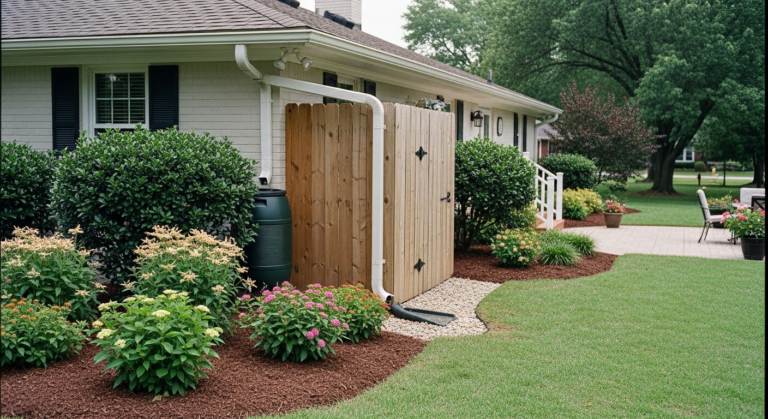
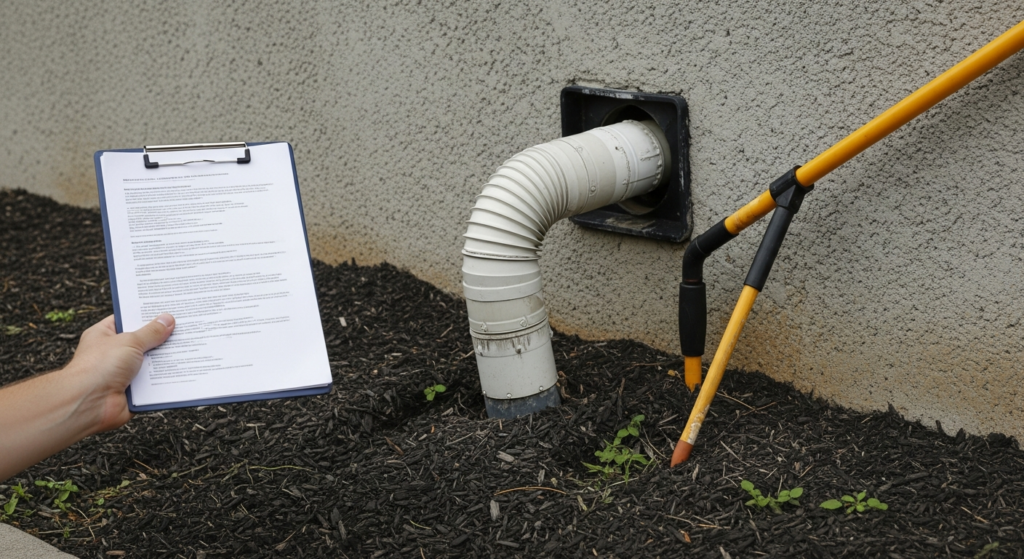
One critical area of focus is the gutter system. Clear gutters and downspouts are essential for directing rainwater away from a home’s foundation. Clogs, often caused by leaves, twigs, and other debris, can lead to water overflowing and pooling around the foundation, potentially causing basement flooding, crawl space moisture, and structural damage over time. During heavy summer downpours, which are common in Rock Hill, an unobstructed drainage system is paramount. Homeowners are advised to inspect and clean gutters regularly, especially after significant wind events that can dislodge tree debris. Ensuring downspouts extend several feet away from the house or connect to a proper drainage system is also a key preventative measure.
HVAC systems face their heaviest workload during the summer months. Maintaining these units is crucial for both comfort and energy efficiency. A primary step involves regularly replacing or cleaning air filters. Dirty filters restrict airflow, forcing the HVAC unit to work harder, which increases energy consumption and can lead to premature wear and tear. Most manufacturers recommend checking filters monthly and replacing them every 1 to 3 months, depending on usage and household conditions, such as pets or allergies. Beyond filters, ensuring outdoor condenser units are clear of debris and vegetation allows for proper heat dissipation, further enhancing efficiency.
Outdoor watering practices also require attention during the hotter parts of the year. Lawns and gardens in Rock Hill can quickly become stressed by high temperatures and dry spells between rain events. Watering deeply and less frequently encourages stronger root growth, making plants more resilient. The most effective time to water is in the early morning, before the sun’s intensity leads to rapid evaporation. This approach minimizes water waste and allows foliage to dry before evening, reducing the risk of fungal diseases. For those with irrigation systems, a seasonal check to ensure proper coverage and detect leaks can conserve water and optimize plant health.
Strategically placed shade elements can significantly reduce a home’s cooling load and lower energy bills. Trees, awnings, and pergolas can block direct sunlight from windows and walls, particularly on the east and west sides of a house. While mature trees offer the most substantial long-term benefits, temporary solutions like exterior shades or even closing blinds and curtains during the hottest parts of the day can make a noticeable difference in indoor temperatures. This passive cooling strategy complements the efforts of an efficient HVAC system.
The potential for power outages during severe summer thunderstorms necessitates preparedness. Backup power solutions range from portable generators to battery-based power stations. For generators, proper ventilation is critical to prevent carbon monoxide poisoning, meaning they should always be operated outdoors and away from windows. Portable power stations, such as those offered by companies like EcoFlow, provide a quieter, emission-free alternative for powering essential appliances and charging devices, making them suitable for indoor use during an outage. Having a plan for essential needs like refrigeration, lighting, and communication is a vital component of storm preparedness.
Finally, pest control becomes a more pressing concern as insects and rodents seek refuge from heat or moisture, or simply become more active. Sealing cracks and gaps in foundations, around windows, and under doors can prevent many common pests from entering the home. Eliminating standing water sources, such as clogged bird baths or neglected pet bowls, can reduce mosquito breeding grounds. Regular inspection of attics, basements, and exterior perimeters can help identify and address pest issues before they escalate.
### Why it matters in Rock Hill
The sustained focus on home maintenance during Rock Hill’s summer months directly impacts the daily lives and long-term investments of residents. With entities like the Rock Hill School District serving thousands of families, ensuring homes are resilient against heat and storms contributes to a stable and safe environment for students and educators alike. Furthermore, the City of Rock Hill’s infrastructure, including its storm drainage systems, benefits when individual homeowners manage their property’s runoff effectively, reducing strain on public utilities and mitigating localized flooding in neighborhoods such as Riverwalk and Manchester Village. Proactive measures help safeguard property values and community well-being across Rock Hill.
Filed under: Rock Hill SC Home & Garden News