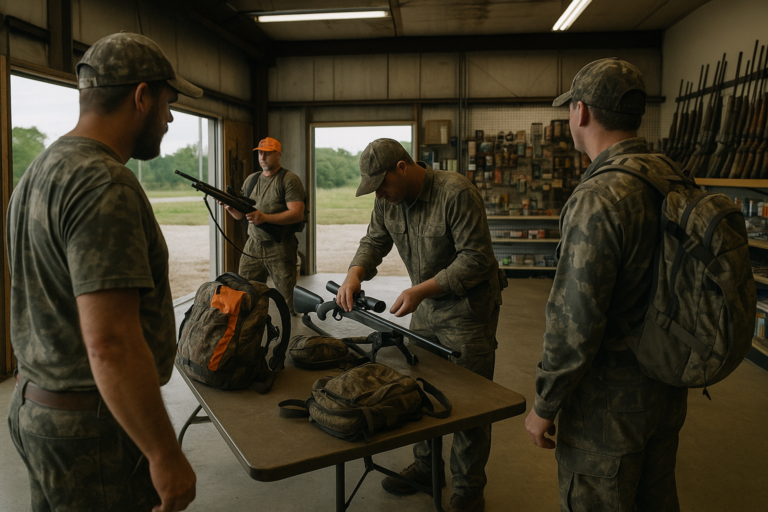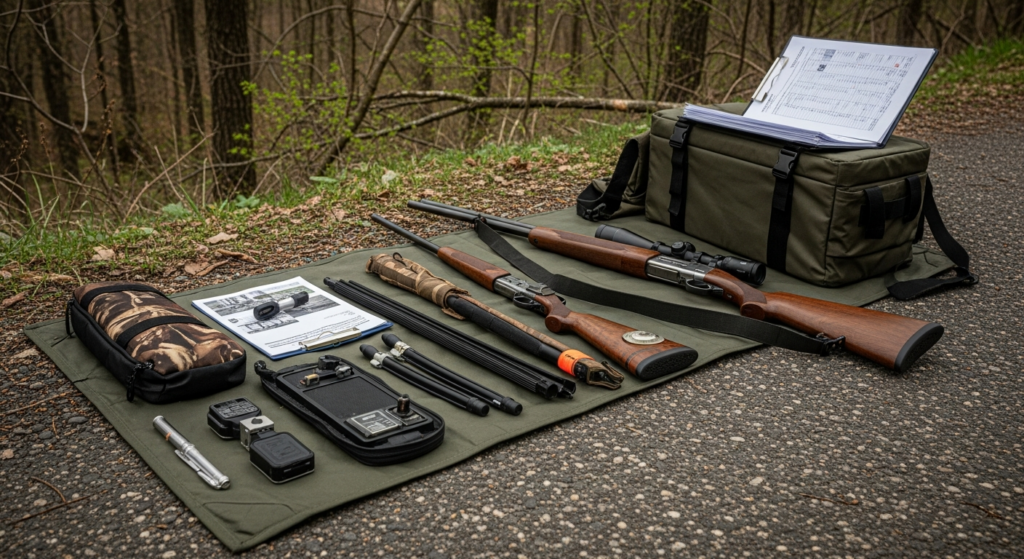
With the onset of August, hunters across Rock Hill and wider York County are turning their attention to the critical preseason preparations for deer hunting. This period is essential for ensuring all gear is in optimal condition, safety measures are in place, and scouting strategies are refined, laying the groundwork for a successful and responsible hunting season.
For those who favor archery, the preseason checklist begins with a thorough inspection of bows. Limbs, cams, and strings require careful examination for any signs of wear, fraying, or separation that could compromise performance or safety. Regular waxing of strings is crucial to maintain their integrity and extend their lifespan. Any questionable components should be replaced proactively, not just repaired, to prevent failures in the field. Beyond equipment checks, consistent practice is paramount. Regular shooting sessions help build muscle memory, refine form, and ensure shot consistency, which are vital for ethical hunting.
Rifle hunters, too, have a specific regimen to follow. Firearms must be meticulously cleaned and oiled to prevent rust and ensure smooth operation. The scope, a critical component for accuracy, needs to be checked for secure mounting; even minor shifts can drastically affect shot placement. A trip to a certified range to check the rifle’s zero is non-negotiable. Verifying the zero ensures that the rifle is shooting precisely where the crosshairs indicate, a fundamental aspect of responsible hunting.
Clothing and footwear also demand attention. All hunting apparel should be washed with scent-free detergent to eliminate human odors that could alert deer. Each garment needs inspection for holes, worn seams, or fading that might compromise camouflage or protection. New footwear should be broken in well before the season to prevent discomfort and blisters during long treks. Additionally, verifying the waterproofing of boots and outer layers is crucial, especially given the unpredictable weather patterns that can occur in the Piedmont region.
Safety remains a paramount concern, particularly when utilizing elevated positions. Treestands, ladder stands, and climbing sticks must undergo rigorous inspection. Hunters should look for any signs of rust, loose fasteners, cracks in welds or structural components, and frayed straps. A full-body harness is an indispensable safety device, and it should be tested thoroughly. Practicing with a lifeline, which keeps the hunter tethered from the moment they leave the ground until they return, is a vital drill that can prevent serious injury or fatality from falls. For navigation, GPS units should be fully charged, and mapping applications on smartphones should be updated with relevant property boundaries and access points, especially when hunting in unfamiliar terrain around areas like the Catawba River or Lake Wylie.
Modern hunting increasingly relies on technology, with trail cameras playing a significant role in scouting. Before deployment, hunters should ensure that all batteries are fully charged to maximize operational time. If using SD cards, they should be formatted and clearly labeled to avoid confusion and data loss. Some advanced cameras, such as the Ultra and REVEAL 3.0 series, feature internal memory, making SD cards optional. Crucially, cameras should be tested in a controlled environment to verify their field of view, motion activation settings, and flash settings. This ensures they capture the desired images and video effectively once placed in the field.
Beyond basic camera functions, enhanced mapping features are becoming increasingly popular. The Xtra add-on, available with Tactacam REVEAL plans starting at $4 a month, provides hunters with a sophisticated suite of tools. These include detailed property boundaries, property information, and property access data, which are invaluable for understanding land ownership and legal hunting areas. The platform also offers shape and path drawing tools, allowing hunters to mark out travel corridors, bedding areas, and food sources. New custom pins further enhance the ability to mark specific points of interest, creating a comprehensive digital map of potential hunting grounds within York County.
Why it matters in Rock Hill
For Rock Hill, the annual rhythm of deer hunting preparation extends beyond individual pursuits, contributing to the local economy and fostering a connection to the natural environment. The meticulous preseason checks drive business to local sporting goods stores and outdoor outfitters in the Rock Hill area, as hunters purchase new gear, ammunition, and specialized equipment. This activity supports jobs and revenue for retailers along corridors like Cherry Road and Dave Lyle Boulevard. Furthermore, responsible hunting practices, emphasized in these preparations, play a role in wildlife management within the broader Catawba River watershed, helping to maintain healthy deer populations and ecosystems. The engagement of hunters from neighborhoods like Riverwalk and Manchester Village in these preparations underscores the enduring outdoor heritage of the region and its impact on local commerce and conservation efforts.