With deer hunting season on the horizon, hunters in Rock Hill and across York County are engaged in a meticulous regimen of preseason preparations designed to maximize safety, efficiency, and success. The comprehensive checklist, widely adopted by experienced outdoorsmen, covers everything from the fine points of equipment maintenance to strategic land assessment and personal readiness.
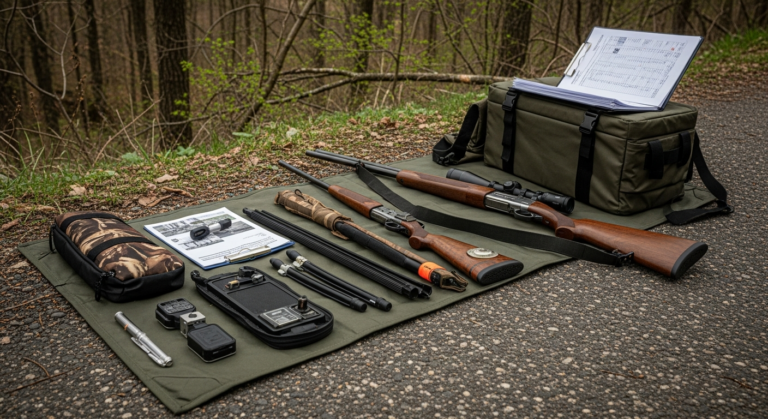
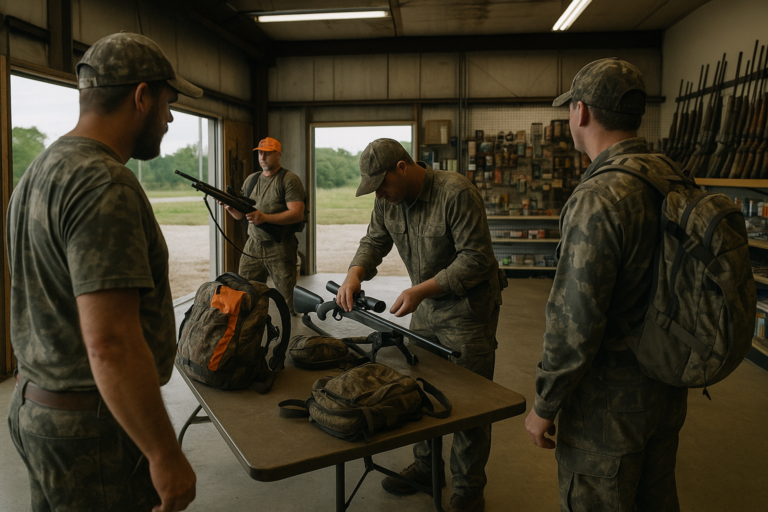
Weapon and optics maintenance forms a foundational element of the preseason routine. For bowhunters, this involves a thorough inspection of bows for any signs of wear or separation in limbs, cams, and strings. Strings are waxed regularly to maintain their integrity, and any questionable components are replaced proactively. Consistent practice shooting is emphasized to build and maintain accuracy. Rifle owners are advised to clean and oil their firearms, meticulously check scope mounts for stability, and confirm their zero at a shooting range. A critical step for both bow and rifle hunters is ensuring ammunition and broadheads are in optimal condition; an arrow spinner is recommended to verify broadhead straightness and alignment, as even minor wobbles can significantly impair arrow flight.
Clothing and footwear also demand careful attention. Hunting clothes are washed with scent-free detergent to eliminate human odor, and checked for holes, worn seams, or fading that could compromise camouflage or warmth. New footwear is broken in well in advance of the season to prevent discomfort and blisters in the field. Waterproofing treatments are verified or reapplied, and clothing may be treated with permethrin, if needed, to offer protection against tick-borne illnesses prevalent during the warmer months and into the early hunting season.
Safety in the field is paramount, particularly when utilizing elevated positions. Treestands, ladder stands, and climbing sticks undergo rigorous inspection for rust, loose fasteners, cracks, or frayed straps. Any damaged equipment is repaired or replaced without hesitation. Hunters are advised to test their full-body harness and practice using a lifeline, ensuring familiarity with these critical safety devices. For navigation, handheld GPS units are charged, or mapping applications are downloaded to smartphones. External battery packs are fully charged to prevent loss of navigation capabilities in remote areas.
Strategic stand placement is another key component of preseason planning. Hunters identify locations such as pinch points, funnels, creek crossings, and staging areas near food or bedding sites. The guide suggests hanging stands as early as possible in the summer to allow deer to acclimate to their presence and for human scent and pressure to dissipate. Shooting lanes are trimmed conservatively to avoid over-clearing, and all setup activities are conducted using quiet, scent-free methods to minimize disturbance.
Map scouting, often conducted digitally, allows hunters to analyze terrain and identify potential deer movement patterns without physically entering the woods and disturbing game. This involves studying contour lines to locate saddles, ridges, and draws, which often serve as natural travel corridors. Identifying creeks, ponds, and low spots helps pinpoint water sources, which can be particularly attractive to deer during the hotter days of late summer and early fall. Satellite maps are used to mark agricultural fields, oak stands, and natural browse areas, indicating potential feeding locations. Hunters also study trailheads and access points to plan entry and exit routes that minimize the chance of spooking deer, adapting strategies for different wind conditions.
Modern hunting often incorporates trail cameras, and their deployment requires careful planning. Recommended locations include mineral licks, established trails between bedding and feeding areas, field edges and corners, and water sources. Water, in particular, can be a valuable attractant on hot days or during the rut. Hunters consider various power options, including lithium cartridges, solar panels (folding or fixed), or battery belts, to ensure continuous operation. Before deployment, batteries are fully charged, and SD cards (if used) are formatted and labeled. Field of view, motion activation, and flash settings are tested. Cellular cameras, increasingly popular in Rock Hill and surrounding areas, require activation and updating with the latest REVEAL app version before being placed in the field.
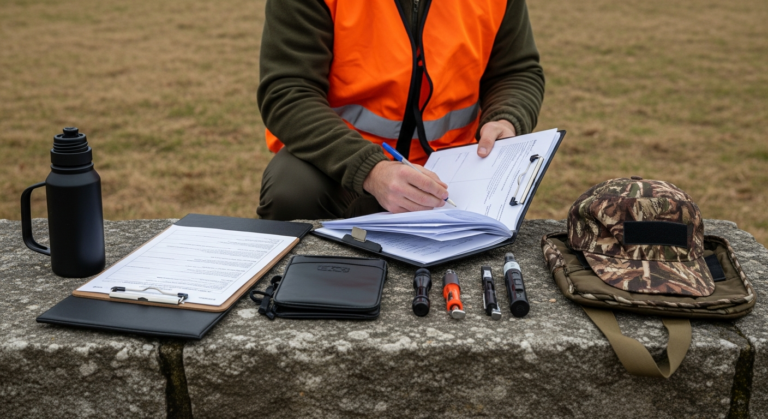
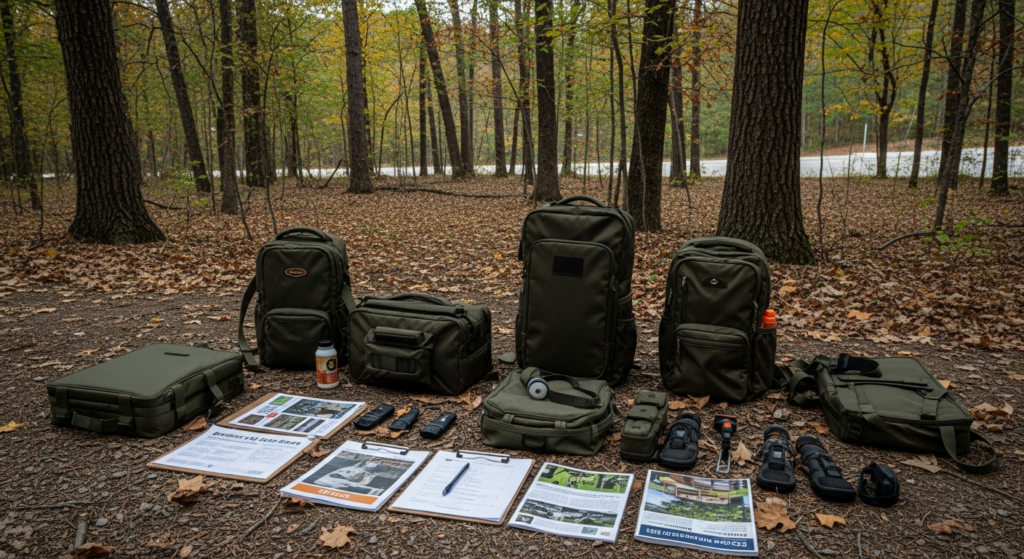
Additional preparations extend to camping and personal readiness. Tents and campers are inspected for wear, missing stakes, cracked poles, or other necessary items. Sleeping bags and pillows are aired out or washed. Camping-stove fuel canisters are filled, and all cutlery is confirmed to be present. Hunters practice shooting in their hunting clothes to ensure comfort and freedom of movement. Packs are checked for essential items such as tags, snacks, water, a valid hunting license, and a first-aid kit. For those hunting on private land, coordinating plans with landowners well in advance is crucial. Finally, physical conditioning, including long hikes and climbs, is emphasized to prepare the body for the demands of the hunting season.
Why it matters in Rock Hill
For residents of Rock Hill and the broader York County area, the meticulous preparations for deer season reflect a deep connection to the region’s natural resources and a commitment to responsible outdoor recreation. The Catawba River and Lake Wylie watersheds, along with the extensive woodlands throughout the Piedmont region, offer significant hunting opportunities. This annual cycle of preparation supports a local economy that includes sporting goods retailers, equipment suppliers, and even local mechanics who might service ATVs or other hunting vehicles. Beyond commerce, the practice of ethical hunting, reinforced by these detailed checklists, contributes to wildlife management and conservation efforts that help maintain healthy deer populations and preserve the ecological balance of the lands surrounding Rock Hill for future generations. These preparations ensure that hunters are not only ready for the field but also act as stewards of the environment.