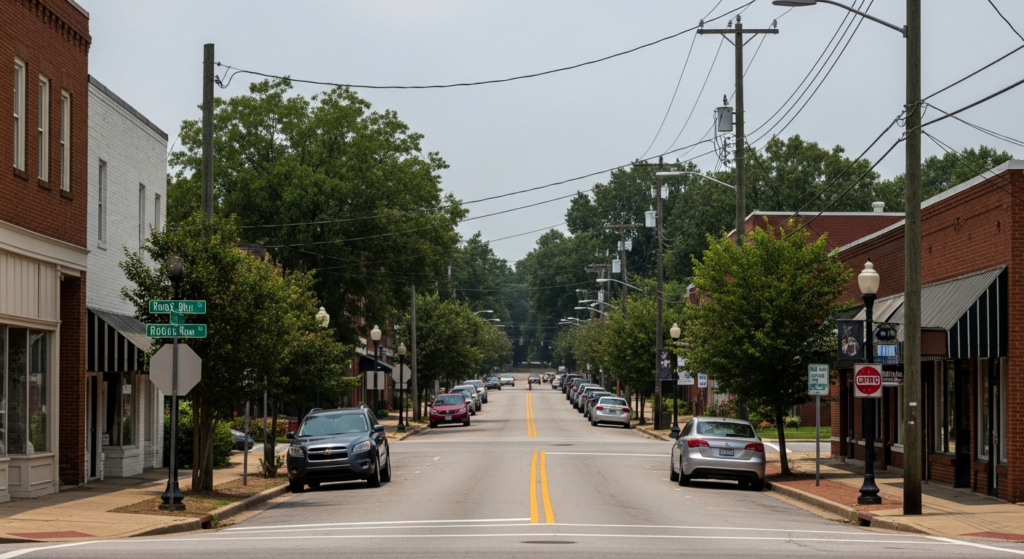
Extreme heat events, characterized by prolonged periods of temperatures significantly above average, pose a substantial public health threat, claiming more lives annually than any other weather-related phenomenon. Public health guidance underscores that these events are projected to increase in frequency, intensity, and duration due to climate change, necessitating robust preparedness and response strategies for communities like Rock Hill.
Central to heat safety is consistent hydration. General recommendations suggest consuming approximately three-quarters of a gallon of water daily. It is crucial to avoid beverages high in sugar, caffeine, or alcohol, as these can exacerbate dehydration. For individuals engaged in heavy sweating, combining water intake with snacks or a sports drink can help replenish electrolytes. However, specific hydration needs can vary significantly, and those with pre-existing medical conditions or who are taking medications should consult a healthcare professional for personalized advice.
Preparedness extends to assembling emergency supplies. A ‘Go-Kit’ should contain at least three days’ worth of portable essentials, while a ‘Stay-at-Home Kit’ should be stocked with at least two weeks’ supply. Critical items for these kits include a minimum of one gallon of drinking water per person per day, non-perishable food, necessary medications, sunscreen, wide-brimmed hats for sun protection, and backup batteries and chargers for electronic devices. It is also advised to have a one-month supply of all essential medications and medical supplies readily available.
During periods of extreme heat, individuals are encouraged to spend as much time as possible in air-conditioned environments. When home air conditioning is unavailable or insufficient, predetermined cool locations such as public libraries or shopping malls can serve as temporary refuges. Some communities also establish dedicated cooling centers. Wearing lightweight, loose-fitting clothing and taking cool showers or baths can further aid in body temperature regulation. Limiting outdoor activity, especially during the hottest parts of the day, is paramount. For essential outdoor work, scheduling tasks for earlier morning or later evening hours can mitigate exposure risks.
Certain populations face a heightened risk of heat-related illness. This includes older adults, infants, young children, and pregnant women, whose bodies may be less efficient at regulating temperature. Individuals with chronic medical conditions, such as heart disease or diabetes, are also particularly vulnerable. Outdoor workers, who are exposed to direct sunlight and high temperatures for extended periods, face significant risks. Additionally, people with limited personal resources or those residing in areas lacking sufficient green spaces, which can exacerbate urban heat island effects, are at greater risk.
Recognizing the symptoms of heat-related illnesses and knowing how to respond is vital. Heat cramps, often the mildest form of heat illness, manifest as heavy sweating accompanied by muscle pain or spasms. If experiencing heat cramps, individuals should move to a cool place and rehydrate with water or a sports drink. Immediate medical attention is recommended if cramps persist for more than one hour or if the affected person has a heart condition.
Heat exhaustion represents a more severe condition. Symptoms include heavy sweating, cold, pale, and clammy skin, a rapid but weak pulse, nausea or vomiting, muscle cramps, general weakness, dizziness, headache, or fainting. If someone exhibits these signs, they should be moved to a cool place, loosened clothing should be removed, and cool, wet cloths should be applied to their body. They should sip water slowly. If symptoms worsen or last longer than an hour, or if the person begins to vomit, medical help should be sought immediately.
Heat stroke is the most critical and life-threatening form of heat illness, requiring immediate emergency intervention. Key indicators of heat stroke include a body temperature of 104°F or higher, hot, red, and dry or damp skin, a fast and strong pulse, confusion, slurred speech, and loss of consciousness. If heat stroke is suspected, it is imperative to call 911 immediately. While waiting for emergency services, efforts should be made to cool the person down rapidly, such as by immersing them in a cool bath or spraying them with a garden hose. Crucially, do not give a person suspected of heat stroke anything to drink.
Why it matters in Rock Hill
The guidance on extreme heat safety holds particular significance for Rock Hill, a city where outdoor activity is a cornerstone of community life, from the extensive green spaces of Glencairn Garden and Cherry Park to the athletic facilities at Manchester Meadows and the Rock Hill BMX Supercross Track. Residents and visitors frequently engage in activities that could lead to heat exposure. Furthermore, major employers like the Rock Hill School District and the City of Rock Hill have numerous employees who work outdoors, making awareness and adherence to these safety protocols critical for workforce well-being. With Winthrop University and York Technical College serving thousands of students, many of whom live in dormitories or off-campus housing that may not always have optimal air conditioning, understanding heat risks and prevention is essential for student health and safety. Proactive measures, from individual hydration to community-wide awareness, are vital in safeguarding public health across Rock Hill as extreme heat events become a more common feature of the summer months. The information provided helps ensure that all Rock Hill residents, from families enjoying Fountain Park to those working along the Catawba River, are equipped to navigate the challenges posed by high temperatures and maintain their health and safety.