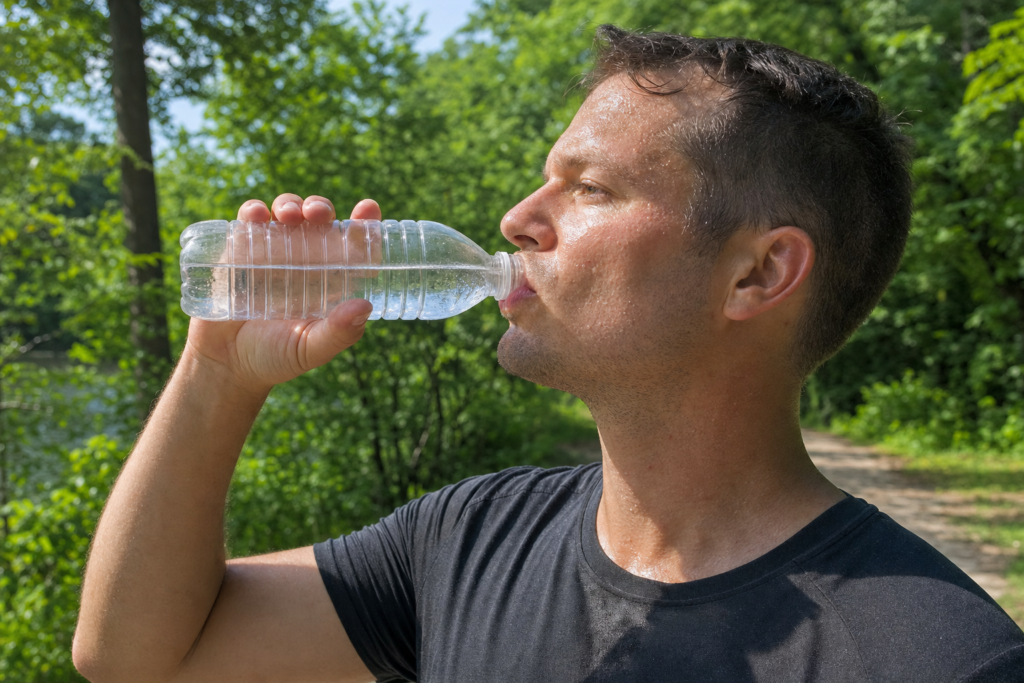
If you’ve spent a July afternoon anywhere in the Piedmont, you already know: South Carolina heat is not polite. Rock Hill and York County sit squarely in a climate zone where summer temperatures regularly push into the 90s with high humidity — a combination that makes heat illness a genuine concern, not just a weather inconvenience. The good news is that most heat-related illness is preventable, and the foundation of prevention is simpler than most people expect: drink water before you’re thirsty, and drink it consistently throughout the day.
Here’s what you actually need to know about staying hydrated and heat-safe through a Carolina summer.
Your Body Doesn’t Always Tell You When It Needs Water
One of the most important things the National Institutes of Health makes clear about hydration: thirst is not a reliable early signal, especially in older adults. By the time you feel thirsty, your body is already in a mild state of dehydration. This is particularly relevant for adults over 65, who have a reduced sensation of thirst even as their bodies’ ability to regulate temperature declines with age.
The NIH’s guidance on hydration emphasizes that there’s no single daily water amount that applies to everyone — individual needs vary based on body size, activity level, and environmental conditions — but the CDC offers a practical cue: check your urine color. Pale yellow means you’re well hydrated. Dark yellow or amber means you need more fluids. Aim for pale, consistently throughout the day.
Heat Illness: Know the Difference
The CDC distinguishes between heat exhaustion and heat stroke — and the difference matters because one is a warning and the other is a medical emergency.
Heat exhaustion symptoms include heavy sweating, cool or pale skin, fast or weak pulse, nausea, muscle cramps, dizziness, and fatigue. If you or someone with you shows these signs, move to a cool place immediately, loosen clothing, apply cool wet cloths to the skin, and sip water. Heat exhaustion is your body’s warning system — address it promptly and it usually resolves without emergency care.
Heat stroke is different and requires calling 911. Signs include a body temperature above 103°F, hot and red skin, rapid strong pulse, confusion, and loss of consciousness. Sweating may stop entirely. This is a life-threatening emergency. While waiting for emergency services, cool the person down by any means possible — a cool bath, wet towels, ice packs to armpits and neck.
Smart Hydration Habits for a SC Summer
The CDC’s practical heat prevention guidance translates into habits that work whether you’re working outdoors, exercising, or just going about your day in York County’s summer heat:
- Don’t wait until you’re thirsty. Drink water throughout the day — keep a water bottle in your car, at your desk, and in your bag. Make it the default drink, not a conscious decision.
- Avoid sugary drinks and alcohol when it’s hot. The CDC specifically notes that sugary drinks and alcoholic beverages cause you to lose more body fluid. On a hot day, these work against you.
- Avoid very cold water if you’ve been exercising hard. Extremely cold water can cause stomach cramps when you’re overheated. Cool water is better.
- Replace electrolytes if you’re sweating heavily. Heavy sweating removes salt and minerals. If you’ve been exercising outdoors for more than an hour, a sports drink can help replace what sweat takes out. If you’re on a low-salt diet or have diabetes or high blood pressure, talk with your doctor before relying on sports drinks.
- Schedule outdoor activities wisely. The CDC recommends limiting outdoor exertion to the coolest parts of the day — early morning and evening hours. The Catawba River trails and Piedmont area greenways in Rock Hill are genuinely pleasant at 7 a.m. in July in a way they’re not at 2 p.m.
- Wear lightweight, loose-fitting clothing that allows sweat to evaporate, and apply SPF 15 or higher sunscreen 30 minutes before heading outside.
Who Is at Highest Risk
The CDC specifically identifies several groups at elevated risk for heat illness: infants and young children, adults 65 and older, people who are overweight, and people with heart disease, high blood pressure, or who take certain medications including those for depression, insomnia, or poor circulation. If you fall into one of these categories, heat safety is a higher priority, not a lower one. Check in on elderly neighbors and family members during heat waves — the CDC recommends that adults 65 and older have a friend or relative check on them at least twice a day during extreme heat.
SC DHEC and Local Heat Resources
South Carolina DHEC (the state’s public health agency) issues heat advisories when conditions meet threshold criteria and works with local health departments to make cooling shelters available during extreme heat events. If you’re not sure whether a cooling shelter is open in your area during a heat event, contact the York County health department or check DHEC’s website for local resources. Air-conditioned public spaces — libraries, community centers, the Rock Hill Family YMCA — are also good options for staying cool during peak afternoon hours.
Summer in the Carolina Piedmont is beautiful, but it demands respect. Drink water early and often, know the warning signs of heat illness, and plan outdoor time around the heat rather than through it.