The meticulous preparation for deer hunting season is underway for many outdoor enthusiasts in Rock Hill and across York County. While the official start dates for various segments of the season are still weeks away, experienced hunters understand that success and safety hinge on thorough preseason work. This period is critical for ensuring equipment reliability, understanding terrain, and honing personal skills, setting the foundation for a productive and ethical hunt.
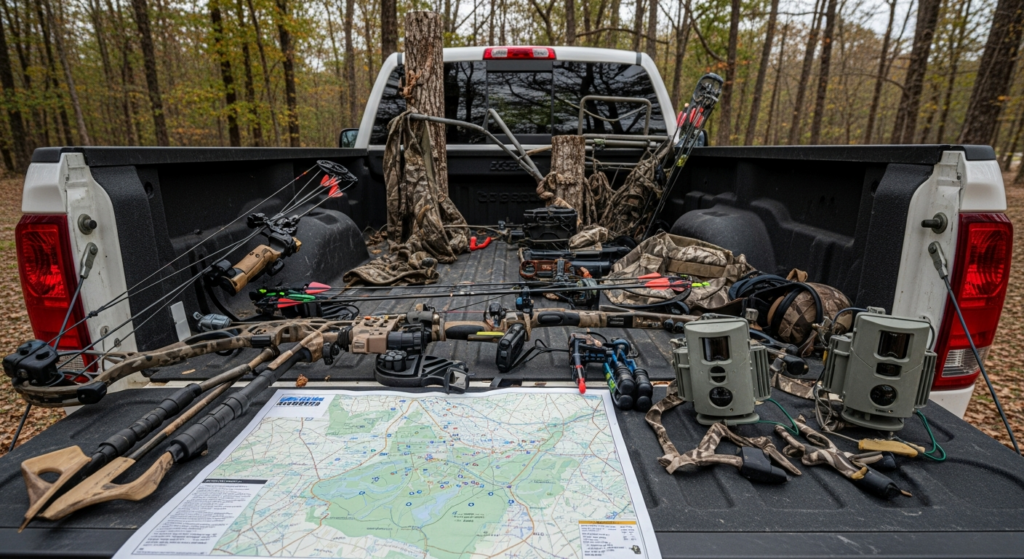
A comprehensive gear checklist begins with the primary tools of the hunt. For archers, inspecting bows is paramount. This involves a detailed examination of limbs for any signs of wear or separation, a close look at cams for smooth operation, and a thorough check of strings for fraying or damage. Waxing strings regularly extends their life and maintains performance, while any questionable components should be replaced proactively to prevent failures in the field. Consistent practice shooting, even during the off-season, is crucial for building and maintaining accuracy and consistency.
Rifle hunters, similarly, must ensure their firearms are in prime condition. This includes cleaning and oiling all moving parts to prevent rust and ensure smooth action. Scope mounts require tightening and verification to maintain zero. A trip to a shooting range to confirm the rifle’s zero is non-negotiable, ensuring shots land where intended. For those using broadheads, an arrow spinner can reveal any wobbling tips, which are a common cause of poor arrow flight and reduced accuracy. Correcting these issues before the season begins can significantly improve shot placement.
Beyond the weapons themselves, personal gear demands equal attention. Hunting clothing should be washed with scent-free detergent to minimize human odor, which can alert deer to a hunter’s presence. Checking garments for holes, worn seams, or fading ensures they will provide adequate concealment and protection. New footwear should be broken in well in advance to prevent discomfort and blisters during long treks. Verifying waterproofing on boots and rain gear is essential, particularly in the unpredictable weather patterns common in the Piedmont region.
Safety equipment, especially for elevated hunting, is non-negotiable. Treestands, ladder stands, and climbing sticks must be inspected for rust, loose fasteners, cracks, or frayed straps that could compromise their integrity. A full-body harness, a critical safety device, should be tested with a lifeline to ensure it functions correctly and is properly adjusted. Furthermore, with tick-borne illnesses a concern in the region, treating hunting clothing with permethrin offers an effective layer of protection.
Modern hunting increasingly relies on advanced mapping and scouting techniques. Hunters should fully charge handheld GPS units or download up-to-date mapping applications on their smartphones. These tools are invaluable for understanding the landscape and planning movements. Studying contour lines on maps helps identify natural terrain features like saddles, ridges, and draws, which deer often use as travel corridors. Pinpointing creeks, ponds, and low spots reveals crucial water sources, especially important during warmer periods.
Satellite maps are instrumental in marking agricultural fields, oak stands, and natural browse areas, which serve as primary food sources. Evaluating trailheads and access points allows hunters to plan entry and exit routes that minimize the risk of spooking deer, taking into account prevailing wind conditions. An add-on like Xtra, available with REVEAL plans for a starting cost of $4 per month, offers enhanced mapping capabilities. These include property boundaries, detailed property information, property access routes, and even landowner names and addresses, which are vital for coordinating private-land hunts. Drawing tools, custom pins, and on-the-ground navigation features further assist in precise planning and execution.
When it comes to stand placement, strategic thinking is key. Hunters often seek out natural pinch points, funnels, and creek crossings where deer movement is concentrated. Staging areas, located between bedding sites and food sources, are prime locations, particularly where bucks feel secure moving during daylight hours. The guide emphasizes hanging stands as early as possible to allow deer to acclimate to their presence. Trimming shooting lanes should be done conservatively and quietly to reduce noise and minimize disturbance, maintaining a scent-free approach throughout the process.
Trail cameras have become an indispensable tool for inventorying deer populations and understanding their movement patterns. Strategic placement maximizes their effectiveness. Mineral licks, often active in summer, are excellent spots for early season inventory and patterning. Placing cameras on bedding-to-feeding trails captures consistent movement. Field edges and corners are ideal for monitoring evening activity over food sources. Water sources can be particularly valuable, especially on hot days or during the rut, when deer seek hydration.
Powering these devices reliably is crucial for continuous monitoring. Recommended options include lithium cartridges for extended life, solar panels or folding solar panels for sustainable power, and battery belts for additional capacity. Before deploying cameras, hunters should fully charge all batteries and, if using SD cards, format and label them clearly. Testing the field of view, motion activation, flash, and other settings ensures the camera is operating as intended. Cellular cameras require activation and updates to the most recent REVEAL app version before leaving them in the field, ensuring connectivity and proper data transmission. Notably, Ultra and REVEAL 3.0 series cameras feature internal memory, making external SD cards optional for convenience.
Beyond the immediate hunting gear, overall readiness extends to camp logistics and personal fitness. For those planning multi-day hunts or camping, inspecting tents and campers for wear, missing stakes, cracked poles, or other missing items is essential. Sleeping bags and pillows should be washed or aired out to ensure comfort and hygiene. Filling camping-stove fuel canisters and checking that all cutlery is present prevents unexpected inconveniences in the field.
Personal preparation is equally vital. Practicing shooting in actual hunting clothes helps hunters become accustomed to the feel and movement restrictions they might experience. Packing a hunting pack thoroughly means ensuring tags, snacks, water, a valid license, and a comprehensive first-aid kit are all present. For hunts on private land, coordinating plans with landowners well in advance is a matter of courtesy and compliance. Finally, getting in shape for the physical demands of long hikes and climbs, often over uneven terrain, can significantly enhance safety and enjoyment during the season.
Why it matters in Rock Hill
For many residents of Rock Hill and the surrounding York County, the annual deer hunting season is a significant cultural and recreational event. The meticulous preparation outlined in preseason guides directly impacts the safety and success of hunters who frequent the extensive natural areas around the Catawba River, Lake Wylie, and various tracts of private and public land throughout the Piedmont region. Local businesses, from sporting goods stores along Cherry Road to outfitters and hardware suppliers, see increased activity as hunters stock up on essential gear, ammunition, and camping supplies. Moreover, responsible hunting practices, including thorough equipment checks and adherence to regulations, contribute to wildlife management efforts that maintain healthy deer populations and preserve the ecological balance of the area’s natural resources, ensuring these traditions can continue for future generations in Rock Hill.